
Schizachyrium
Schizachyrium
Schizachyrium is a genus of perennial grasses belonging to the Poaceae family. The most prominent species, Schizachyrium scoparium (little bluestem), is widely recognized for its ecological importance and aesthetic value in North American landscapes.
What the section contains

Schizachyrium
These plants are highly adaptable to various environmental conditions, thriving in well-drained soils with low fertility. The species exhibits exceptional drought tolerance, making it an excellent candidate for water-wise gardening and ecological restoration projects.
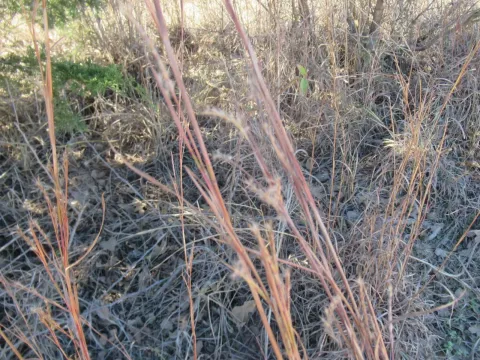
Botanically, Schizachyrium is characterized by its bunch-forming growth habit and upright stems that transition to striking copper or red hues during the autumn months. The extensive, deep root system provides structural integrity and prevents soil erosion in sandy or degraded substrates.
For optimal biomass production and decorative performance, the crop requires full sun exposure throughout the day. Shade significantly weakens the stems and diminishes the plant's ability to maintain its characteristic upright form and vibrant coloration.
Beyond its landscape utility, the crop serves as a vital component in grassland ecosystems, providing habitat and forage for wildlife. It is increasingly utilized in sustainable landscaping practices to reduce maintenance inputs and support local biodiversity.
Schizachyrium is remarkably resilient to most common grass diseases. However, in poorly drained or waterlogged soils, the root system is susceptible to crown rot and fungal pathogens, which can be mitigated by ensuring proper substrate drainage.
Pest issues are generally minimal for this hardy perennial. Occasionally, sap-sucking insects may colonize the foliage during hot, dry spells, but these infestations typically do not reach levels that require chemical intervention if the plants are properly spaced.