
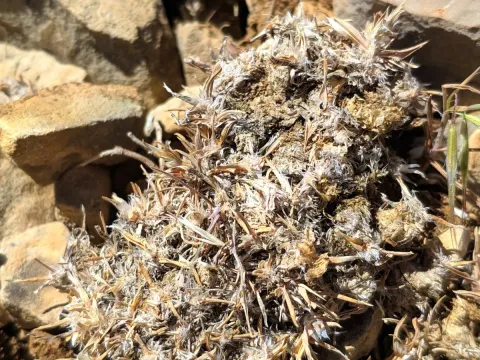
Ligulate bluegrass
Poa ligulata
Ligulate bluegrass is a perennial grass belonging to the Poaceae family. Sowing is typically performed in early spring or late autumn, as the seeds benefit from cold stratification to ensure uniform germination across the field.
What the section contains
Ligulate bluegrass
Proper seedbed preparation requires a weed-free environment and a fine soil texture. Given the small size of the seeds, they should be sown at a shallow depth of approximately 1–2 centimeters, followed by light rolling to improve soil-to-seed contact and moisture retention.
Seeding rates depend on the intended use, with higher densities recommended for pasture establishment to promote a dense sod. This density is crucial for withstanding the mechanical stress caused by livestock grazing.
The optimal time for sowing is when soil temperatures reach 5–8 degrees Celsius. This timing allows the seedlings to establish a strong root system by utilizing early spring moisture before the onset of drier summer conditions.
Pre-sowing treatment of seeds with growth stimulants can significantly improve germination rates. This practice provides seedlings with an early vigor advantage, making them more resilient against environmental stresses during the critical establishment phase.
This grass species thrives in moderately moist, fertile loamy soils with a neutral to slightly acidic pH. While it is tolerant to short-term waterlogging, it is sensitive to prolonged drought periods that can affect its biomass production.
Ligulate bluegrass exhibits moderate cold tolerance, making it suitable for various temperate regions. It can withstand light frosts during the spring and autumn months, recovering rapidly once favorable temperatures return to the growing area.
Adequate sunlight is essential for optimal development, as excessive shading leads to thin, weak stems and lower forage quality. Proper site selection that ensures full exposure to daylight maximizes photosynthetic efficiency.
Nutrient management is critical for high yields, particularly during the active tillering phase. A balanced application of nitrogen, phosphorus, and potassium supports both vegetative growth and root system development throughout the season.
Soil aeration is vital for maintaining the health of the grass. Compaction should be avoided to prevent oxygen deficiency in the root zone, which can inhibit plant growth and increase susceptibility to secondary infections.
Ligulate bluegrass is primarily utilized for establishing high-quality pastures and hay meadows. It is highly valued for its dense foliage and rapid regrowth potential following grazing or mechanical mowing.
The nutritional profile of this grass remains high throughout the growing season, making it an excellent component for forage mixtures. Livestock show high palatability for the grass, both in fresh pasture form and as stored hay or silage.
Yield performance is highly responsive to management practices, including fertilization and irrigation. With optimal conditions, the crop can support multiple harvests per year, ensuring a steady supply of biomass for animal production.
In addition to its feed value, the species is effective at stabilizing soil. Its complex root network helps prevent erosion on hillsides and riverbanks, offering ecological benefits alongside its agricultural utility.
The longevity of a productive stand can extend up to a decade with proper rotational grazing and maintenance. This durability reduces the long-term costs associated with field renovation and ensures stable forage production for livestock farms.
Common diseases affecting this species include rust fungi and powdery mildew, which thrive in humid conditions. Fungicide applications and proper crop management are recommended to minimize the impact of these pathogens on forage health.
Pests such as cereal flies and aphids can cause damage during the early stages of development. Regular scouting is essential to identify and address pest outbreaks before they lead to significant reductions in plant stand density.
Root rot diseases are often linked to poor drainage and waterlogged soil conditions. Implementing proper field grading and drainage systems is the most effective preventative measure against these soil-borne threats.
Weed competition poses a significant risk to young stands during the first few months of growth. Timely mechanical weeding or the use of selective herbicides helps establish a clean stand that can thrive without resource competition.
Integrated pest management, combined with proper grazing or mowing regimes, helps prevent major outbreaks. Keeping the stand healthy and vigorous is the best natural defense against most biological threats to this forage crop.