
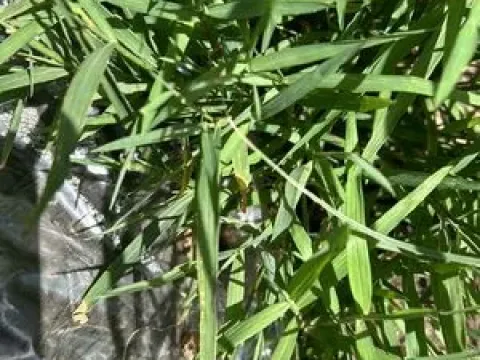
Lepturus
Lepturus
Lepturus is a genus of plants belonging to the Poaceae (grass) family. It includes both annual and perennial species that have successfully adapted to the extreme conditions of saline soils.
What the section contains

Lepturus
This crop is primarily found in coastal zones, salt marshes, and maritime environments. These plants are true halophytes, allowing them to thrive in habitats where most conventional cereal crops would perish due to severe osmotic stress.
For optimal development, Lepturus requires adequate sunlight and specific soil conditions. The crop is remarkably tolerant of high salinity levels in the soil solution and can even withstand occasional inundation by seawater.
The ideal climatic conditions for Lepturus are regions with mild maritime or subtropical climates. The plant shows high adaptability to strong winds and constant exposure to salt spray, making it a critical component of coastal vegetation.
Botanically, Lepturus is characterized by narrow leaves and spike-like inflorescences that often break into individual segments upon maturity. A well-developed root system ensures the plant remains anchored in sandy or rocky substrates.
The agricultural use of Lepturus is currently limited by its specialized ecological niche. Within its native range, it serves as a vital component of natural pastures and rangelands.
The green biomass of Lepturus can be used as forage for livestock that are adapted to grazing in saline environments. While its nutritional value is moderate, its resilience makes it a valuable resource in arid coastal zones where other vegetation fails.
This crop can be utilized for phytoremediation purposes, helping to stabilize shorelines and prevent soil erosion in salt-affected areas. Its extensive root system helps improve soil structure in the top layer.
The productivity potential of Lepturus is highly dependent on hydration levels and the degree of soil mineralization. It is not typically grown in intensive agricultural systems because it cannot compete with high-yield forage grasses in non-saline conditions.
Future breeding prospects for Lepturus involve studying its salt-tolerance genes, which could potentially be used to develop more resilient forage varieties for degraded, saline agricultural lands.
Lepturus is highly resistant to many common cereal diseases, thanks to its specific ecological niche. However, under conditions of excessive humidity, some fungal infections may occur.
Potential pests include specific insects adapted to feeding on halophytic vegetation. However, due to the high salt concentration in the plant tissues, significant damage from pests is rarely observed.
The primary threat to natural populations of Lepturus is anthropogenic pressure, including coastal development and changes in the hydrological regime of the soil.
Competition from invasive plant species can lead to the displacement of Lepturus from its native habitats. This is particularly concerning in areas undergoing freshwater reclamation projects that reduce soil salinity.
To preserve the crop, it is essential to maintain ecological balance and avoid overgrazing, which can lead to the degradation of the plant cover in salt-marsh ecosystems.