
Limnodea
Limnodea
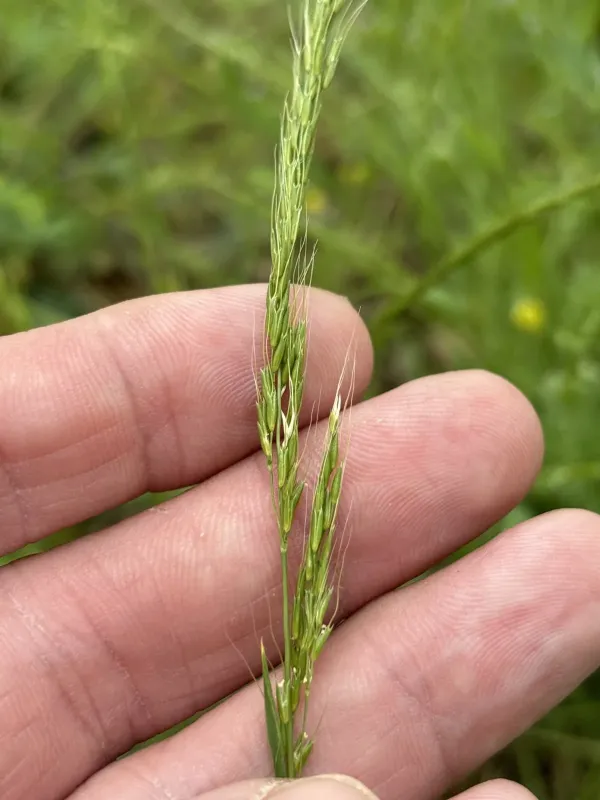
Description
Sowing dates
The sowing window for Limnodea occurs when soil temperatures reach 12–15 degrees Celsius. This typically falls in early to mid-spring, depending on the specific geographic location and local climatic conditions of the region.
Before sowing, it is advisable to calibrate and lightly scarify the seeds if they exhibit a period of dormancy. This practice ensures more uniform and vigorous emergence across the field, which is vital for establishing a dense and productive stand.
The planting method can be row-drilling or broadcasting, depending on the intended use. For hay production, row drilling with a spacing of 15–20 centimeters is preferred to ensure proper aeration and light penetration.
Seeds should be sown at a depth of 1 to 2 centimeters. Deep planting must be avoided as Limnodea seeds have limited nutrient reserves and may fail to reach the surface if buried too deep within the soil profile.
Post-sowing, the field should be rolled to maximize seed-to-soil contact. This step improves moisture absorption and reduces the risk of the topsoil drying out during the critical germination phase.
Growing requirements
Limnodea (Limnodea arkansana) belongs to the grass family (Poaceae) and is a monotypic genus. It is an annual herbaceous plant native primarily to the southern United States, where it thrives in moist sandy soils and open habitats.
The crop has specific requirements regarding water availability, as implied by its generic name which roots from a Greek term for marsh or pond. The plant performs best in areas with consistent moisture levels, though it shows some tolerance to fluctuating water tables.
For optimal growth, Limnodea requires well-lit sites with light, well-drained soil rich in organic matter. It does not tolerate heavy shading, which tends to reduce vegetative biomass production and delay the development of reproductive stalks.
The temperature range suitable for this plant is typical of temperate and subtropical climates. It is sensitive to sudden frosts, making it essential for agronomists to time planting accurately to coincide with stable, warm weather at the start of the growing season.
Soil pH for Limnodea should be neutral to slightly acidic. Professionals recommend conducting soil tests before planting to apply balanced fertilizers, which strengthen the root system of this grass variety.