
Little barley
Hordeum pusillum
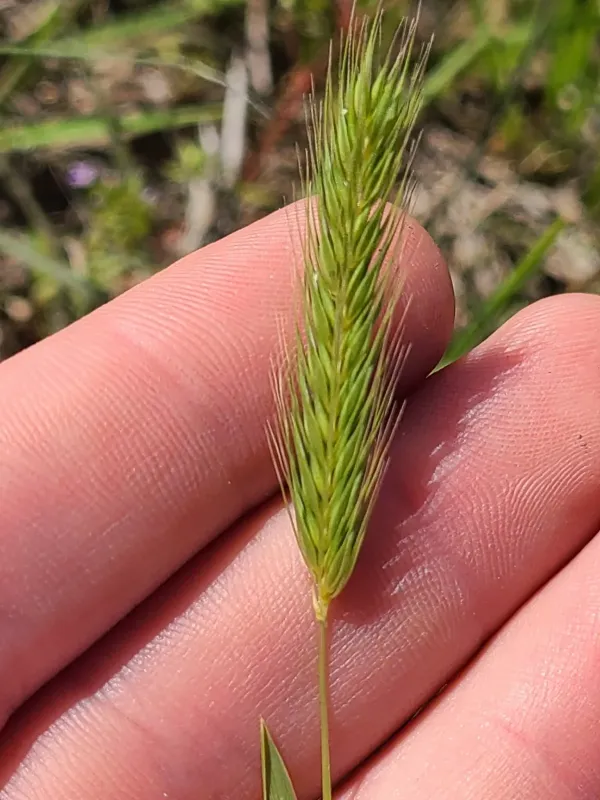
Description
Sowing dates
Little barley (Hordeum pusillum) is an annual grass species that completes its life cycle within the spring and early summer period. In its native habitat, seeds germinate rapidly as soil temperatures rise in the spring.
For cultivation purposes, shallow seeding is recommended because the small seeds have limited energy reserves and require light to stimulate germination. A depth of 0.5 to 1 centimeter is usually sufficient for optimal emergence.
The timing of sowing should align with the earliest available window in the spring to capitalize on soil moisture. Consistent moisture during the first two weeks is critical for establishing a healthy and uniform stand.
In warmer climates, autumn or winter sowing can be implemented to allow for early root development. This strategy enables the plant to establish before the onset of extreme spring heat, promoting better yield potential.
Seedbed preparation should involve creating a fine, firm surface. Although the plant is resilient, poor soil contact during sowing can significantly reduce the overall success rate of germination.
Growing requirements
Belonging to the Poaceae family, Hordeum pusillum is renowned for its remarkable tolerance to saline and alkaline soil conditions. It frequently colonizes salt-affected areas where common agricultural crops would fail.
This species thrives in full sun exposure. It is highly sensitive to shading, which results in reduced tillering and significantly lower biomass production, making open fields the ideal environment for its cultivation.
Regarding soil, it prefers sandy or loamy textures but excels in disturbed or degraded soils with high alkalinity. It is an excellent candidate for land reclamation projects aimed at restoring productivity in salt-stressed regions.
Water requirements are relatively low compared to commercial barley varieties. The plant has evolved to handle seasonal drought stress, making it a reliable performer in semi-arid environments that receive at least moderate spring rainfall.
Soil aeration is important as the species does not tolerate waterlogged conditions for extended periods. Sites with good natural drainage are preferred to avoid root disease development during wet spring spells.
Main diseases and pests
Hordeum pusillum is susceptible to several pathogens, including fungal rusts and powdery mildew. These infections are typically exacerbated by high humidity levels and poor air circulation within the plant canopy.
Helminthosporium leaf spot is another common threat that targets the foliage, particularly in dense stands. This disease can prematurely reduce the photosynthetic surface area, leading to lower overall plant vitality.
Insect pests such as cereal aphids often colonize the stems and leaves, feeding on plant sap. While a single plant can withstand moderate pressure, heavy infestations can weaken the population significantly.
Wireworms and other soil-borne insects can damage the root systems during the early establishment phase. This damage is most impactful if the soil remains cool and damp for an extended time, slowing the plant's recovery.
Weed management remains the most critical agronomic challenge. As a short-statured grass, Little barley is easily suppressed by taller, more aggressive weed species, necessitating effective intervention to ensure a productive yield.