
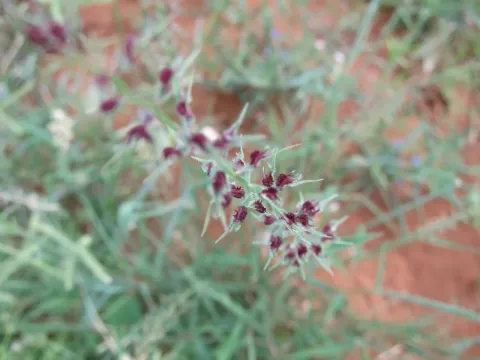
Leptothrium
Leptothrium
Leptothrium is a genus of grasses belonging to the Poaceae family. These plants are known for their resilience and are typically found in arid or semi-arid environments where other vegetation struggles to thrive.
What the section contains

Leptothrium
Botanically, the plant features elongated leaves and a robust root system, which is a key adaptation for moisture absorption in nutrient-poor, sandy soils.
To ensure healthy development, Leptothrium requires well-drained soil and high levels of solar exposure. Waterlogging is detrimental to the roots and should be strictly avoided in the cultivation plan.
Climate requirements include warm temperatures during the growing phase. It performs best in regions where the heat summation allows for full cycle maturation without extreme humidity fluctuations.
Agricultural management should focus on maintaining soil structure. Minimal tillage techniques are often preferred to preserve the existing root structure and topsoil integrity.
Common threats to Leptothrium include fungal pathogens, particularly those that thrive in stagnant air conditions, leading to root rot or leaf blight symptoms.
Insect pests such as grasshoppers and various species of aphids can pose significant risks during the vegetative growth stage, requiring consistent monitoring.
Integrated Pest Management (IPM) strategies, including the use of biological control agents and resistant cultivars, are recommended to minimize chemical dependency.
Crop rotation remains the most effective preventive measure against soil-borne diseases that can potentially affect the stability of the stand over several seasons.
Timely identification of pest outbreaks is crucial; therefore, field scouting should be a routine part of the maintenance program to ensure prompt intervention.