
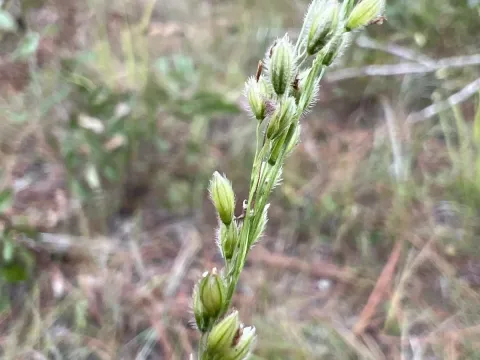
Leptocoryphium
Leptocoryphium
Leptocoryphium is a genus of perennial grasses belonging to the Poaceae family. These plants are native to the Americas, primarily inhabiting the tropical and subtropical savannas where they play a crucial role as a structural component of grassland ecosystems.
What the section contains

Leptocoryphium
The plant is well-adapted to environments characterized by distinct wet and dry seasons. It exhibits remarkable resilience on nutrient-poor, sandy, or acidic soils, thriving in conditions that are typically unsuitable for more demanding forage crops.
Botanically, Leptocoryphium forms tufted clumps with narrow, slender leaves. The inflorescences are often characterized by a delicate, woolly appearance, which provides the genus with its distinctive morphological traits and aids in seed dispersal via wind.
Agronomic requirements for this grass are minimal. It is naturally selected for survival in high-temperature environments with low water availability. Its deep root system allows it to reach moisture in deeper soil layers, maintaining viability during periods of drought.
The primary agricultural use of Leptocoryphium is as a grazing forage. While it may not possess the high protein content of cultivated legumes, it provides essential roughage and grazing material for livestock in regions where traditional forage crops fail to grow.
Fungal diseases, particularly leaf rust, represent a significant threat to Leptocoryphium. High humidity conditions facilitate the spread of these pathogens, leading to premature leaf death and a reduction in the overall dry matter yield of the pasture.
Insect pests, such as grasshoppers and larvae of various moth species, can cause severe defoliation. Persistent pest pressure often weakens individual plants, making them more susceptible to drought and other environmental stressors.
Uncontrolled fires are a persistent challenge in the natural habitats of this species. Although the plant can tolerate occasional burning, excessive fire frequency depletes energy reserves in the roots, eventually leading to population decline.
Overgrazing poses a major threat to the long-term sustainability of Leptocoryphium-based pastures. When the grass is grazed too short, its ability to recover via tillering is compromised, allowing invasive weeds to invade and compete for soil nutrients.
To manage these threats, it is essential to implement controlled grazing systems. Rotation of livestock allows the grass a recovery period, ensuring that the root system remains vigorous and that the plant population stays resilient against pests and diseases.