
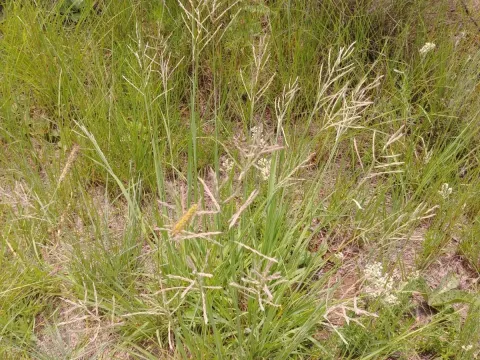
Bewsia
Bewsia
Sowing dates for Bewsia depend heavily on the local climatic zone, as the crop requires specific soil temperatures to ensure rapid and uniform germination. Ideally, seeding should commence once the topsoil reaches a consistent 10–12 degrees Celsius.
What the section contains

Bewsia
In southern regions, early sowing is preferred to capitalize on winter moisture reserves stored in the soil profile. Delaying the process often results in rapid surface drying, which can lead to uneven seedling emergence and patchy crop density.
The seeding rate must be calculated based on the specific variety, target grain yield, and seed viability metrics. Using precision planters is highly recommended to ensure accurate depth control and consistent spacing between individual plants.
Successful crop establishment is heavily reliant on the quality of seedbed preparation. A well-tilled soil surface facilitates better seed-to-soil contact, which is crucial for early root development and uniform nutrient uptake.
Strict adherence to crop rotation cycles is a fundamental pillar of Bewsia cultivation. Avoiding continuous monocropping helps manage soil-borne pathogens and prevents the depletion of specific micronutrients, maintaining long-term soil health.
Bewsia performs best in fertile, well-draining soils with a neutral pH balance. Heavy clay soils may require subsoiling or drainage improvements, as waterlogging can lead to oxygen starvation in the rhizosphere, significantly retarding plant growth.
The crop shows a moderate demand for water but is particularly sensitive during the critical stages of flowering and grain filling. Drought stress during these periods can cause substantial reductions in grain weight and overall quality.
Sufficient solar radiation is essential for photosynthesis and energy accumulation within the plant tissues. Bewsia thrives in regions with clear, sunny days during the vegetative growth phase, which ensures timely maturation and grain hardening.
Temperature fluctuations, particularly late spring frosts, can be detrimental to the crop at the seedling stage. Conversely, prolonged extreme heat during grain development can lead to rapid senescence and a decrease in harvestable output.
A balanced fertilization strategy is required, focusing on nitrogen for early vegetative growth and potassium to improve stem strength and stress tolerance. Soil testing should be performed annually to tailor nutrient applications to specific needs.
Bewsia yield potential is determined by a combination of genetic factors, environmental conditions, and the precision of agronomic management. Intensive production systems can consistently deliver high yields by optimizing all growth parameters.
Crop density management is vital; both overly sparse and excessively dense stands can lead to suboptimal yields. Maintaining the recommended population per hectare ensures that every plant has adequate access to sunlight, water, and nutrients.
Genetic progress in breeding programs has led to the introduction of varieties that are more resilient to abiotic stresses. Selecting these modern hybrids is an effective way for farmers to stabilize yields even under unpredictable seasonal conditions.
The use of micro-fertilizers during critical growth stages can further boost performance by addressing specific metabolic needs. Careful monitoring and timely applications often lead to significant improvements in grain filling and protein content.
Predicting final harvest outcomes requires ongoing assessment of weather data and crop health markers throughout the season. Flexibility in management plans allows farmers to mitigate risks associated with sudden meteorological shifts or pest outbreaks.
Bewsia is susceptible to various fungal diseases, especially under conditions of high humidity and poor ventilation. Regular phytosanitary inspections allow for the early detection of infections, enabling targeted and efficient fungicide applications.
Insect pests, including cereal flies and various beetle species, can cause severe damage during the early growth phases. Implementing integrated pest management (IPM) strategies, including biological control and scouting, helps minimize the need for heavy pesticide use.
Weed competition is a significant threat during the early weeks after emergence. Timely application of selective herbicides or mechanical weeding is essential to prevent weeds from monopolizing critical resources needed by the developing crop.
Maintaining spatial isolation from neighboring fields affected by similar pathogens helps reduce the infection pressure on Bewsia crops. This preventative practice is a cost-effective method to maintain overall plant vigor and health.
In the event of a significant pest infestation, localized treatments are preferred to protect beneficial insect populations. Adhering to economic injury levels for all control interventions ensures the long-term sustainability of the farming system.
Harvesting Bewsia at the peak of physiological maturity is critical for maximizing both yield and storage quality. Indicators of readiness include the moisture content of the grain and the physical appearance of the crop stand.
Equipment calibration is paramount to prevent mechanical grain damage during the threshing process. Adjustments to concave clearances and fan speed should be made based on the current grain moisture and the volume of straw material.
Logistical efficiency during harvest ensures that grain is transported, cleaned, and stored promptly, minimizing exposure to environmental risks. High-capacity grain trailers and efficient loading systems are essential for large-scale operations.
Post-harvest conditioning, including cleaning and drying, is mandatory for safe long-term storage. Reducing grain moisture content to safe levels prevents mold growth, heating, and mycotoxin contamination, preserving quality for future use.
Continuous monitoring of stored grain, specifically temperature and moisture levels, is necessary to ensure the harvest remains in optimal condition. Detecting hot spots early allows for corrective actions, such as aeration, to maintain grain integrity.