
Barth's rice
Oryza barthii
Barth's rice (Oryza barthii) is an annual wild grass species belonging to the Poaceae family, widely recognized as the ancestor of Oryza glaberrima.
What the section contains
Barth's rice
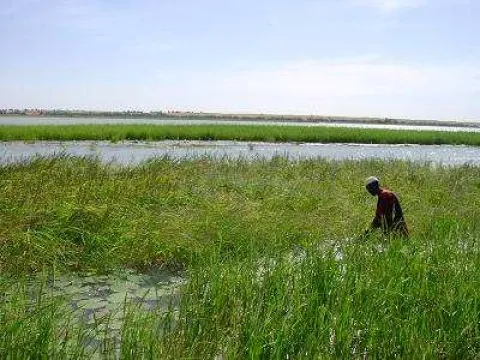
It is native to the tropical regions of sub-Saharan Africa, where it flourishes in seasonal wetlands, river floodplains, and the margins of ephemeral water bodies.
The plant demonstrates remarkable adaptation to fluctuating water levels, thriving in both deeply flooded conditions and periods of severe moisture deficit.
It typically inhabits nutrient-poor soils where other rice species would struggle to establish, showcasing its efficiency in resource acquisition and survival.
Climate requirements include high solar radiation and consistently warm tropical temperatures, which are essential for its vegetative cycle and rapid development.
Barth's rice is not cultivated as a commercial crop because of its strong tendency to shatter, which causes seeds to fall naturally before harvest is completed.
While direct grain yields are low by industrial standards, the species serves as a vital genetic reservoir for rice breeders aiming to develop resilient varieties.
The grain is nutritionally similar to common rice but is gathered primarily through manual harvesting by local communities during times of food scarcity.
Breeders utilize the superior drought-tolerance genes of Oryza barthii to improve the resilience of cultivated rice varieties against changing climate conditions.
Future agricultural productivity often relies on the traits found in these wild populations, which represent a foundation for sustainable cereal production in Africa.
The plant possesses inherent resistance to many pathogens that typically affect domesticated rice, making it an important subject for immunological studies.
Common threats include local insect pests, such as rice weevils and stem borers, which can damage the plant structures during its peak growth phases.
Fungal diseases like rice blast can occur in high-humidity microclimates, although the species usually maintains higher tolerance levels than conventional crops.
Competition from invasive plant species in disturbed wetland areas often poses a threat to the density and survival of wild Oryza barthii populations.
Environmental degradation, particularly the conversion of natural floodplains into large-scale irrigation systems, remains a major threat to its survival.