
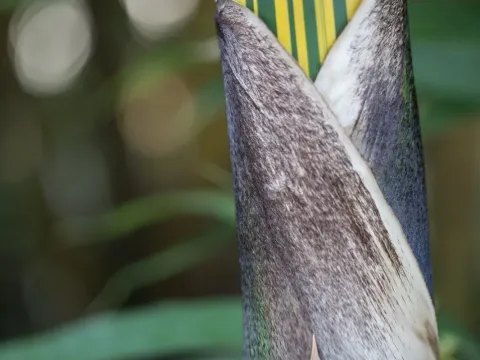
Bamboo
Bambusa Schreb.
Bamboo is primarily propagated through vegetative methods, such as rhizome division or stem cuttings, as seed production is erratic and often impractical.
What the section contains

Bamboo
Planting should be executed during the active growing season, ideally when the soil is warm and well-prepared with organic matter to ensure rapid establishment.
In temperate zones, early spring is the optimal time for planting to allow the root system to become robust before the winter dormant season.
Proper spacing between plants is crucial for future expansion, depending on the specific species and its invasive growth pattern or clumping habit.
Adequate irrigation is essential immediately following planting to prevent dehydration and to facilitate the quick growth of new rhizome networks.
Bamboo belongs to the grass family (Poaceae) and is characterized by its hollow, woody stems known as culms, which are highly versatile in usage.
The crop thrives in fertile, well-drained loamy soils with a pH level ranging from slightly acidic to neutral, avoiding waterlogged conditions.
Climate is a major factor, with most species preferring humid, tropical or subtropical environments, although some cold-hardy varieties exist.
Consistent light exposure is beneficial for high yields, though some species demonstrate good tolerance to partial shade within agroforestry systems.
Regular application of nitrogen-rich fertilizers significantly boosts the rate of culm production and overall biomass accumulation per hectare.
The yield of bamboo is measured by the volume of harvestable culms per year, which stabilizes once the plantation reaches maturity after several years.
Well-managed plantations can provide a continuous yield, with selective harvesting of mature culms allowing for sustained production over decades.
Productivity is maximized through strategic thinning, where older and weaker culms are removed to provide resources for younger, more vigorous shoots.
Bamboo is recognized for its high carbon sequestration potential and rapid regrowth, making it a highly sustainable agricultural crop for industrial use.
The density of the plantation directly influences the total yield, necessitating a balance between plant health and space optimization for harvesters.
Common pests include bamboo borers and various beetles that tunnel into the culms, causing significant structural damage to the harvested material.
Fungal pathogens such as rusts or blight can impact leaf health and overall vigor, particularly in plantations with poor air circulation.
Root rot is a persistent threat if the plantation is situated in heavy, poorly drained soil, which can lead to the sudden collapse of entire clumps.
Integrated pest management, including the removal of infected debris and biological control, is highly recommended to maintain plantation health.
Regular monitoring by agronomists is essential to detect early signs of infestation and prevent the spread of diseases throughout the field.
Harvesting typically occurs in the winter months when the sap flow is lowest, which results in denser, more durable wood quality.
Culms are cut as low as possible to the ground to ensure that the rhizome remains intact and can produce new shoots in the following season.
Post-harvest processing involves cleaning, sorting, and drying the culms to reduce moisture content and prevent fungal infection or splitting.
Bamboo shoots intended for culinary use are harvested in early spring when they are young, tender, and still contain high levels of nutrients.
Industrial applications include the production of flooring, textiles, pulp, and construction materials, each requiring specific harvest and curing times.