

Reference · Crops
Barley
Hordeum L.
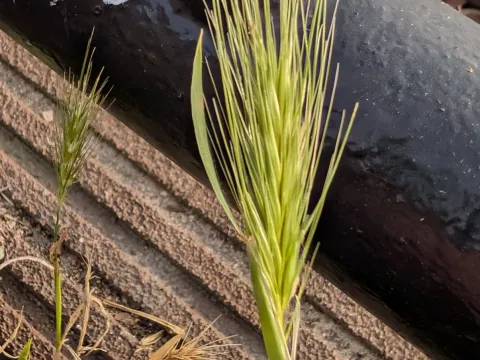
Barley (Hordeum L.) is a vital cereal crop belonging to the Poaceae family, widely cultivated for its versatility in food, feed, and malting.
7
items
What the section contains
 Winter barley
Hordeum vulgare L.
2 189 products
Winter barley
Hordeum vulgare L.
2 189 products
 Chilean barley
Hordeum chilense Roem. & Schult.
Chilean barley
Hordeum chilense Roem. & Schult.
 Foxtail barley
Hordeum jubatum L.
Foxtail barley
Hordeum jubatum L.
 Hare barley
Hordeum murinum L. subsp. leporinum (Link) Arcang.
Two-row barley
Hordeum vulgare L. subsp. vulgare
Wall barley
Hordeum murinum L.
Hare barley
Hordeum murinum L. subsp. leporinum (Link) Arcang.
Two-row barley
Hordeum vulgare L. subsp. vulgare
Wall barley
Hordeum murinum L.
 Wild barley
Hordeum spontaneum K. Koch
Wild barley
Hordeum spontaneum K. Koch
Marketplace
Products in this section · 12


Barley
Spring barley is typically sown as early as the soil can be worked, as it benefits from the cool, moist conditions of early spring.
Winter barley is planted in late summer or autumn to allow for sufficient root development and tillering before the onset of winter dormancy.
Seed depth is generally set between 3 to 5 cm depending on soil texture to ensure uniform emergence and strong initial growth.
Optimal seeding rates are critical, typically ranging from 300 to 450 seeds per square meter to balance stand density and yield potential.
Barley is highly adaptable to a wide range of climates, performing well in regions from temperate zones to high-latitude environments.
The crop thrives in well-drained, fertile soils with a neutral or slightly alkaline pH, but it is known for its tolerance to saline conditions.
Temperature requirements are moderate, with germination occurring at very low temperatures, allowing for successful cultivation in northern areas.
Adequate water supply is essential during the shooting and heading stages, though barley is generally more drought-tolerant than wheat.
Proper nutrient management, particularly nitrogen and potassium, is necessary to achieve high-quality grain and desired protein levels.
Average yield potential for modern barley varieties ranges from 4 to 8 tonnes per hectare under well-managed agricultural practices.
Factors influencing yield include variety selection, planting date, weed control efficiency, and overall fertility of the soil.
Intensive management systems involving precise fertilizer application and growth regulators can significantly boost final production results.
Crop rotation is a fundamental practice to maintain soil health and manage disease pressure for higher productivity in successive years.
Consistent grain filling is supported by adequate soil moisture and a lack of extreme heat stress during the maturation phase.
Common diseases affecting barley include net blotch, leaf rust, powdery mildew, and various types of smut that can impair crop quality.
Pests like aphids, cereal leaf beetles, and wireworms are significant threats that require constant monitoring during the vegetative phase.
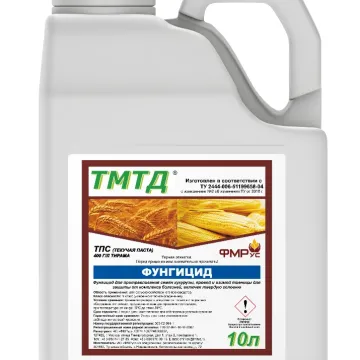
- Treatment of seeds with fungicides to prevent early-season infections.
- Integrated pest management (IPM) to minimize chemical reliance.
- Selection of resistant varieties tailored to local environmental conditions.
Crop residue management and rotation help in reducing the primary inoculum source for many soil-borne fungal pathogens.
Strategic scouting and early intervention are keys to preventing severe damage and ensuring a healthy crop throughout the season.
Barley harvesting is conducted when the grain reaches physiological maturity and moisture levels drop below 16–18%.
Direct combining is the standard method, requiring precise machine adjustment to minimize grain cracking and mechanical damage.
Speed of harvest is crucial to avoid environmental risks such as late-season rainfall or excessive shedding of mature grains.
Post-harvest handling involves drying the grain to safe moisture levels and cleaning it to remove weed seeds and foreign matter.
Effective storage management is necessary to prevent spoilage and maintain the quality required for industrial or livestock consumption.