
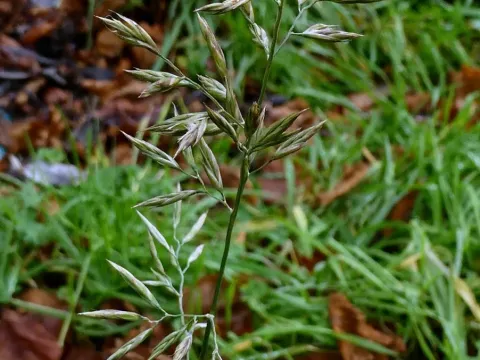
Meadow fescue
Lolium pratense
Meadow fescue is typically sown in early spring or late summer, ensuring the soil has sufficient moisture to support initial germination and root establishment.
What the section contains
Meadow fescue
The standard seeding rate varies from 12 to 18 kilograms per hectare, depending on whether it is sown as a pure stand or integrated into a forage seed mixture.
Seeds should be covered to a depth of 1–2 centimeters, as shallow sowing helps protect the germinating seeds from drying out while ensuring good soil contact.
Because the crop exhibits slow initial growth during its first year, it is vital to manage weed competition through regular mowing or selective herbicide application.
A well-prepared, firm seedbed is essential for achieving uniform plant density and long-term productivity across the cultivated area during the growing season.
Meadow fescue is a perennial grass belonging to the Poaceae family, widely recognized for its adaptability to temperate climates and various soil conditions.
It thrives best in fertile, moisture-retentive loam soils and is well-known for its ability to withstand temporary flooding, making it suitable for low-lying areas.
The plant demonstrates excellent winter hardiness and can endure cold climates, although it is less tolerant of prolonged droughts and highly alkaline or saline soils.
Regular fertilization, particularly with nitrogen, significantly promotes tillering and increases the biomass production of this valuable forage grass.
It performs optimally in neutral to slightly acidic soils, making it a reliable choice for farmers looking to establish high-yield permanent pastures.
Under favorable management conditions, meadow fescue can produce between 25 and 45 tons of green biomass per hectare, depending on the region and soil quality.
For hay production, farmers can expect a dry matter yield ranging from 6 to 10 tons per hectare, especially when utilizing multiple cuts throughout the season.
The crop reaches its peak productivity between the second and fourth years of its lifespan, showing robust regrowth capabilities after grazing or harvesting.
As a pasture crop, it provides nutritious forage that is palatable to livestock, maintaining its high nutritional value even when slightly mature.
Seed production is generally harvested in the second year, once the panicles exhibit signs of maturity, providing high-quality seeds for future plantings.
Common fungal diseases affecting this crop include rust and powdery mildew, which can significantly reduce both the quality and quantity of the harvested forage.
Leaf spot diseases may occur in areas with high humidity and poor ventilation, often leading to premature foliage yellowing and reduced photosynthetic capacity.
Various insect pests, including stem-boring flies and aphids, can damage young plants and interfere with the successful establishment of the grass stand.
Effective management strategies include crop rotation, the use of certified disease-resistant seeds, and maintaining balanced soil fertility to minimize outbreaks.
Timely harvesting helps mitigate the risk of disease buildup in the sward, ensuring that the remaining stubble remains healthy for subsequent growth cycles.
To maximize nutritional value, hay harvesting should be conducted when the plant begins to produce flower heads, capturing peak protein and energy content.
When used for grazing, it is essential to manage rotational stocking to avoid overgrazing and to allow the plants sufficient recovery time between grazing events.
After each cut, light nitrogen application is recommended to stimulate rapid regrowth and ensure a consistent supply of forage throughout the summer months.
Proper drying techniques are required to ensure the hay moisture content is below 18 percent, preventing mold and maintaining high-quality livestock feed.
Meadow fescue remains a preferred choice for sustainable agriculture due to its consistent performance and high digestibility for ruminant animals.