
Meadow oat-grass
Helictotrichon pratense
Description
Sowing dates
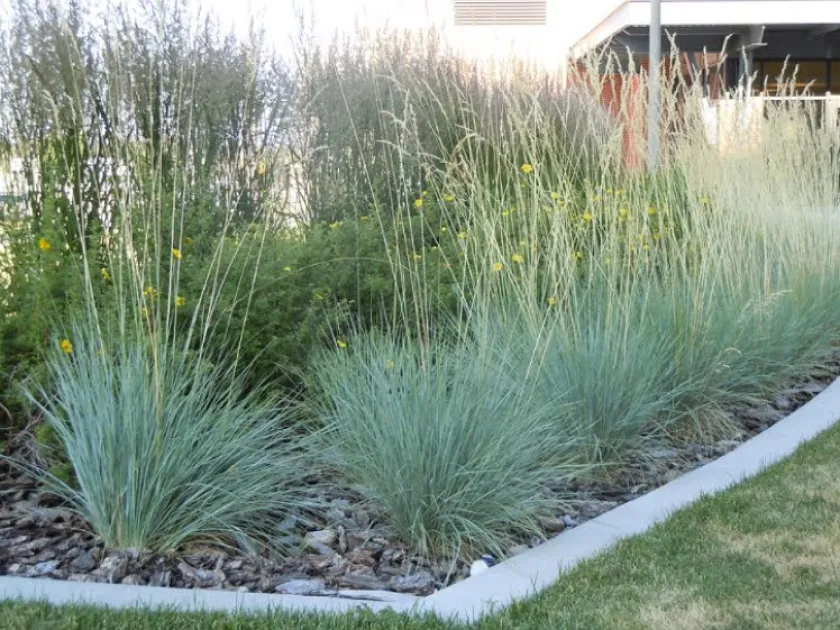
Meadow oat-grass (Helictotrichon pratense) is a perennial grass species belonging to the Poaceae family. It is known for its ability to form dense tufts, making it a reliable component in permanent grasslands and an important species for forage improvement programs.
The optimal time for sowing is during the early spring or late summer. During these periods, soil moisture levels are generally sufficient to support the germination process, allowing the young seedlings to establish their root systems before facing harsh conditions.
Effective seedbed preparation is vital for successful establishment. The field must be cleared of perennial weeds, and the soil should be finely tilled and leveled. Since the seeds are small, they should be sown shallowly, ideally at a depth of 1–2 centimeters, followed by light rolling.
The seeding rate must be carefully calculated based on seed purity and germination percentage. When used as part of a seed mixture, meadow oat-grass helps improve the structural stability and long-term productivity of the pasture or meadow.
During the establishment phase, the grass grows slowly, making it vulnerable to competition from fast-growing weeds. Regular monitoring and, if necessary, strategic mowing during the first year can help the meadow oat-grass establish dominance in the plot.
Growing requirements
This species is highly adaptable to a wide range of climatic conditions, thriving in temperate zones. It demonstrates excellent cold tolerance and can withstand severe winter temperatures, which makes it a suitable choice for northern and highland regions.
Meadow oat-grass prefers well-drained loam or calcareous soils. It is particularly sensitive to waterlogging and does not perform well in poorly drained or heavy clay soils, where root rot can easily occur due to oxygen deprivation.
The species prefers soils with a neutral to slightly alkaline reaction. While it can survive on relatively infertile soils, applying balanced fertilizers—particularly nitrogen—can significantly boost the production of green biomass, especially in intensive management systems.
Sunlight is critical for its growth; therefore, it should be cultivated in open, full-sun areas. Shade from trees or tall shrubs will reduce the density and vigor of the grass, eventually leading to the encroachment of less desirable plant species.
The soil structure should be conducive to deep root penetration. Even though it is drought-tolerant once established, maintaining a healthy soil profile with adequate organic matter improves its resilience during periods of summer moisture stress.
Yield
Meadow oat-grass is primarily valued for its utility in hay production and pasture grazing. It provides high-quality forage that is palatable to a variety of livestock, including cattle, sheep, and horses, contributing to balanced animal diets.
The forage yield is dependent on proper management, including the frequency of harvesting. With optimal soil conditions and appropriate cutting regimes, the grass can provide multiple harvests per season, demonstrating strong regrowth capabilities.
Timing the harvest is essential for nutrient density. Harvesting before the full bloom stage ensures the highest concentration of protein and minerals. Delaying the cut results in stem lignification, which reduces the digestibility of the hay for livestock.
In grazing scenarios, meadow oat-grass shows good resistance to trampling. However, it requires a rotational grazing system to prevent overgrazing, which can damage the plant crowns and reduce the longevity of the pasture stand.
Beyond its forage value, the species serves an important soil conservation role. The robust root system binds soil particles together, making it highly effective for preventing erosion on slopes and degraded land in agricultural landscapes.
Main diseases and pests
While generally resilient, meadow oat-grass can be susceptible to various fungal pathogens, such as grass rusts. These are most prevalent in humid conditions and in dense, poorly ventilated stands, which may decrease the overall quality of the harvested forage.
Insect pests, including cereal flies and beetles, can cause damage to the stems and reproductive parts of the plant. Mitigation strategies rely heavily on cultural practices, such as maintaining correct seeding density and timing harvests to disrupt pest life cycles.
Promoting good airflow throughout the canopy is the most effective preventative measure against fungal outbreaks. Ensuring that the stand is not overly congested reduces local humidity, making the environment less hospitable for fungal spores to germinate.
Chemical control is rarely utilized in forage grass cultivation due to concerns regarding residues in feed. Instead, an integrated management approach, focusing on site selection and healthy crop rotation, remains the best practice for sustainable yields.
Regular field scouting helps detect early signs of infestation. In instances of significant pest pressure, short-term intensive grazing or mowing can often reduce the insect population or remove the infected plant parts, effectively cleaning the pasture.