
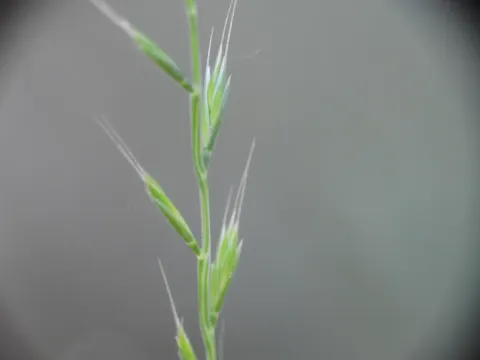
Matgrass
Festuca maritima
Matgrass (Nardus stricta) is a perennial grass species belonging to the Poaceae family. It is distinct in its botanical classification, being the sole species in the genus Nardus, characterized by its dense, tufted growth habit.
What the section contains
Matgrass
The plant is native to a wide range of environments across Europe, Asia, and North America. It is commonly found in acidic, nutrient-poor grasslands, heaths, and mountainous regions where it dominates the vegetation landscape.
Climatically, matgrass is highly adaptive to cold and moisture. It thrives in regions with significant precipitation and harsh winters, demonstrating superior cold tolerance compared to many other forage grasses.
Soil preferences for matgrass are quite specific. It favors low-pH, acidic soils and is typically absent from lime-rich or heavily fertilized agricultural land, as it cannot compete with more demanding grass species in nutrient-rich environments.
In terms of agricultural utility, matgrass is primarily valued for its role in maintaining stable cover in degraded landscapes. Its ability to colonize marginal lands makes it essential for soil conservation in alpine and sub-alpine pasture systems.
Matgrass possesses a remarkable natural resistance to common fungal pathogens. The high silica content in its foliage acts as a physical barrier, effectively preventing the development of rusts and mildews often seen in lush grasses.
Insects and pests rarely cause significant damage to matgrass populations. The tough texture of the leaves makes the plant unpalatable and physically difficult for most herbivorous pests to consume, ensuring long-term stand stability.
Environmental threats usually stem from management changes. Excessive nitrogen application or heavy liming can rapidly shift the soil chemistry, leading to the displacement of matgrass by more productive but less hardy agricultural grasses.
Overgrazing presents another risk, as it damages the sensitive root structure and reduces the plant's ability to recover. Maintaining a balance in grazing pressure is crucial for preventing soil exposure and subsequent erosion.
While the species is robust, it requires monitoring in managed systems to ensure that environmental conditions remain stable. Sudden shifts in drainage or local hydrology can also impact the long-term health of matgrass communities.