
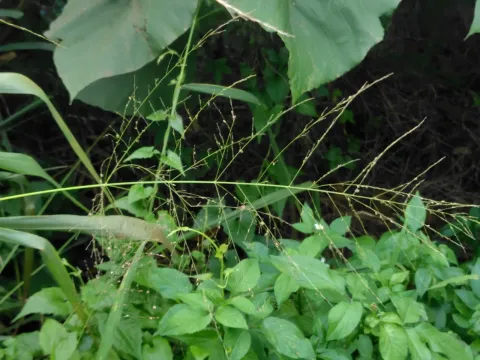
Megathyrsus
Megathyrsus
Megathyrsus, belonging to the Poaceae family, is a perennial grass that requires warm soil temperatures to establish properly. Sowing should ideally occur when soil temperatures consistently reach 12–15 degrees Celsius to ensure uniform germination.
What the section contains
Megathyrsus
Seed depth is a critical factor for success. It is generally recommended to sow seeds at a depth of 2 to 4 centimeters, depending on the soil texture, to balance moisture accessibility with the need for sufficient oxygen.
In temperate zones, late spring sowing is preferred to avoid the risk of late frosts. Delaying sowing too long, however, can result in poor initial establishment due to summer heat stress and moisture scarcity.
Determining the correct seeding rate is essential based on the intended use of the crop, whether for hay production or rotational grazing. Proper spacing allows the plants to develop into a dense, productive stand over time.
Preparing a clean, firm seedbed prior to sowing significantly enhances the chances of successful establishment. This initial care provides a solid foundation for the root system, which is crucial for overwintering and long-term sustainability.
Megathyrsus is a photophilous plant, meaning it has high light requirements. Sufficient exposure to sunlight is essential for optimal photosynthetic rates, which directly drives the development of vigorous leaves and stems.
While adaptable to various soil types, the crop performs best in well-drained loams. It is sensitive to waterlogged conditions, which can lead to root rot and diminished vigor, so selecting a site with proper drainage is vital.
The ideal soil pH is near neutral to slightly acidic. If soil tests indicate high acidity, lime application is recommended before planting to create a more favorable environment for nutrient uptake.
Adequate moisture is key during the rapid growth phase. Although the species demonstrates a degree of drought tolerance, consistent rainfall or irrigation significantly boosts biomass yield and overall crop health.
Fertilization management, particularly with nitrogen, is highly effective for maximizing productivity. Regular nutrient application supports the plant's metabolic processes and ensures high-quality forage throughout the growing season.
The yield potential of Megathyrsus is closely tied to agricultural management and soil fertility. Under optimal conditions, the crop produces a substantial volume of biomass suitable for livestock forage or biofuel feedstock.
With intensive management, the crop can support multiple harvests per year. Its rapid regrowth rate following mowing or grazing makes it a reliable source of feed, maintaining productivity across a long growing season.
Foraging quality is highest when harvested at the early heading stage. During this period, the plant offers the best balance of crude protein, energy, and structural fiber, which is crucial for animal performance.
Maintaining high yields over several years requires consistent soil nutrient replenishment. Following each harvest with appropriate fertilization ensures the plants have the resources needed for robust regrowth.
Beyond its traditional role as forage, Megathyrsus is increasingly studied as a sustainable energy crop. Its high biomass accumulation makes it an excellent candidate for various bioenergy applications.
Like many grasses, Megathyrsus may be susceptible to fungal diseases, particularly under conditions of high humidity or poor air circulation. Rust diseases are common, which can reduce the photosynthetic area of the leaves.
Insect pests such as aphids and grass-feeding flies can impact crop health, particularly during the early stages of establishment. Regular field monitoring is essential for timely intervention and crop protection.
Weed competition poses a significant risk to young stands. Effective weed control measures during the first weeks of growth are necessary to allow the crop to establish without losing vital resources to opportunistic plants.
Integrated pest management strategies are recommended, starting with the use of clean, certified seed. Crop rotation practices can also help reduce the long-term buildup of soil-borne pathogens.
- Monitoring for pest infestations in the tillering phase.
- Timely weed management to ensure crop dominance.
- Application of fungicides if necessary when disease pressure is high.
The optimal harvest timing for hay is at the early heading stage. Harvesting at this point ensures a superior nutritional profile before the plant diverts its energy towards seed production and fiber increases.
Leaving a stubble height of at least 7 to 10 centimeters is vital. This practice leaves sufficient crown tissue for the plant to store carbohydrates, which is essential for rapid recovery and winter survival.
Utilizing high-speed harvesting equipment is advantageous for efficiently mowing and processing the biomass. Minimizing the time between cutting and baling or ensiling helps retain the highest level of nutrients.
Harvesting during a period of dry weather facilitates better drying conditions, leading to higher quality hay. Excess moisture during the curing process can lead to spoilage and a loss of dry matter.
Post-harvest care involves evaluating the stand density and soil health. If needed, a light harrowing or fertilizer top-dressing can prepare the crop for a strong start in the following cycle.