
Melanocenchris
Melanocenchris
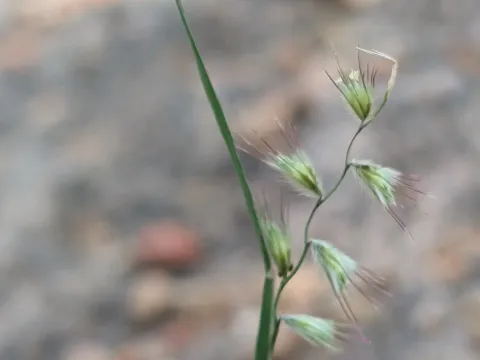
Melanocenchris is a genus of grasses belonging to the Poaceae family. These plants are primarily adapted to survive in harsh, arid, and semi-arid environments across Asia and Africa, exhibiting unique xerophytic features.
What the section contains

Melanocenchris
The genus typically consists of annual or perennial grasses that thrive in open, sunny habitats. They possess a high degree of tolerance to thermal stress and can withstand prolonged periods of drought that would be fatal to other forage crops.
Requirements for cultivation include high levels of solar radiation, as the plant is extremely sensitive to shade. Successful growth is usually observed in areas with well-drained, sandy, or rocky soil profiles where water saturation is minimal.
From an agrotechnical perspective, Melanocenchris is highly efficient at utilizing minimal soil nutrients. Its root system is developed to anchor the plant firmly and extract water from deeper layers of the substrate, preventing erosion in fragile landscapes.
Due to its resilience, it is often considered for land rehabilitation projects in dry regions where other agricultural varieties fail to establish, highlighting its ecological value beyond forage.
Fungal pathogens represent the most significant threat to Melanocenchris during periods of uncharacteristic humidity, as these conditions facilitate the development of root and foliage diseases.
Various insect pests, common to members of the Poaceae family, can infest the stands, leading to decreased biomass production and potential loss of the seed crop during the reproductive phase.
Overgrazing poses a structural threat to populations, as livestock often consume the plant indiscriminately along with other grasses, hindering its ability to complete its lifecycle and disperse seeds.
Competition from aggressive weed species can suppress young seedlings, particularly when Melanocenchris is introduced into managed agricultural systems without adequate field preparation.
Abiotic stresses, including unexpected frost events or sustained waterlogging, represent critical hazards that disrupt the physiological balance and can lead to rapid mortality of the plants.