
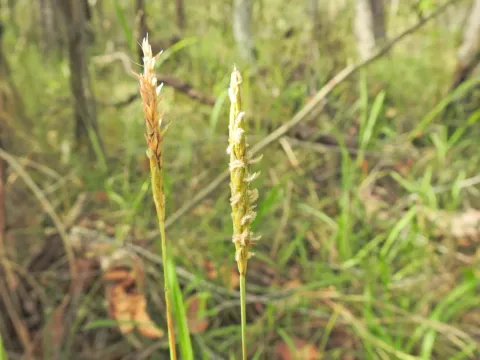
Ischaemum australe
Ischaemum australe
Ischaemum australe is a perennial grass species belonging to the Poaceae family. It is native to tropical and subtropical regions, primarily recognized for its robustness and adaptability to various humid environments, including grasslands and river floodplains.
What the section contains
Ischaemum australe
This grass exhibits significant botanical flexibility, with a fibrous root system that aids in stabilizing the soil in moist habitats. Its foliage is narrow and typically dense, forming a ground cover that is well-suited for livestock grazing in appropriate ecological zones.
Climatic requirements focus on high moisture levels and consistent warmth. It does not possess significant cold tolerance, making it restricted to frost-free regions where temperatures remain consistently above 15 degrees Celsius throughout the growing season.
Regarding soil, Ischaemum australe prefers loamy or fertile sandy soils that can maintain moisture without becoming excessively waterlogged. Nutrient availability is essential, and response to fertilization is generally positive in terms of biomass production.
Agricultural use is primarily focused on grazing and hay production. Due to its palatability and recovery rate, it serves as a reliable forage source in systems that emphasize natural grassland management and sustainable ranching practices.
The primary threats to this grass include fungal pathogens, such as leaf rusts, which often proliferate in the high-humidity environments where the grass naturally thrives. These diseases can significantly reduce the nutritional quality of the forage.
Pest pressure often comes from insect species that feed on the soft tissues of the stems and leaves. Regular scouting is essential to identify the presence of these pests before they reach levels that cause widespread economic damage to the pasture.
Effective management includes maintaining proper stocking rates to prevent overgrazing, which can weaken the plants and make them more susceptible to disease. Rotational grazing is recommended to ensure the longevity of the stand.
Cultural control methods involve cleaning equipment after use in infested areas and ensuring that the grass has adequate sunlight exposure. Reducing the humidity levels within the canopy can be achieved through timely mowing and proper plant density.
Biological monitoring should focus on identifying early indicators of plant stress. By maintaining a healthy and vigorous stand through sound agronomic practices, the susceptibility of the crop to major pests and diseases is significantly mitigated.