
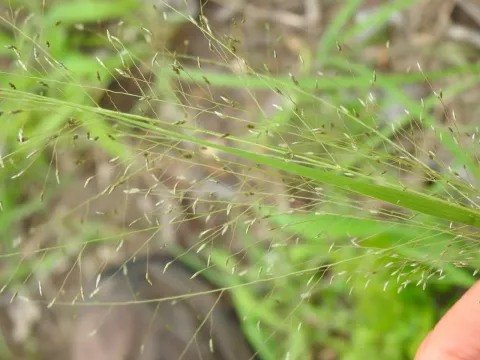
Intermediate lovegrass
Eragrostis intermedia
Intermediate lovegrass (Eragrostis intermedia) is a perennial grass species belonging to the Poaceae family. This species is widely recognized for its robust nature and its role in maintaining stable grass cover in arid and semi-arid environments.
What the section contains
Intermediate lovegrass
The plant is native to the Southwestern United States and Northern Mexico, naturally flourishing in open grasslands and savanna-like habitats. Its geographical origins explain its deep-rooted resilience against environmental stress.
When considering soil requirements, Eragrostis intermedia favors well-drained, sandy, or rocky soil profiles. It struggles in heavy clay soils or areas with poor drainage, as these conditions inhibit root development and promote fungal pathogens.
The climate requirements emphasize a need for heat and solar exposure. It is highly drought-tolerant, capable of entering a state of semi-dormancy during extreme dry spells and recovering quickly once moisture is available in the substrate.
In terms of agricultural utility, this grass is predominantly used for pasture restoration, range management, and as a soil stabilizer on slopes susceptible to erosion. It provides a reliable, albeit moderate, source of forage for livestock.
Intermediate lovegrass is generally considered a low-maintenance crop with few major disease issues. However, under conditions of excessive humidity or poor air circulation, foliar rusts can develop, impacting the quality of the green biomass produced.
Insect pests such as grasshoppers and aphids can occasionally reach threshold levels during dry summer months. Monitoring the density of these pests is essential to prevent significant loss of leaf tissue, which is the primary value of the forage.
Soil-borne pathogens represent a latent threat, particularly in fields that are frequently over-irrigated or improperly drained. Maintaining adequate soil aeration is the most effective cultural practice to mitigate these risks throughout the growing season.
Weed competition is most significant during the seedling establishment phase. Once the stand is fully established, its dense root system and growth habit usually allow it to outcompete most invasive herbaceous species effectively.
Proactive management involves the periodic removal of dead plant material to stimulate new growth. This practice not only improves the overall health of the stand but also reduces the hiding spots for potential insect pests and fungal spores.