
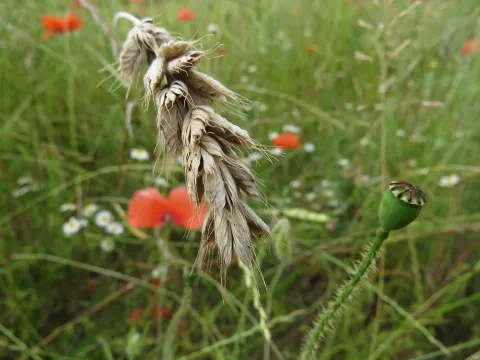
Interrupt brome
Bromus interruptus
Interrupt brome (Bromus interruptus) is an annual grass species historically associated with cereal cultivation. Its life cycle is perfectly adapted to agricultural regimes, where it germinates alongside winter crops, utilizing the autumn moisture for seedling establishment.
What the section contains
Interrupt brome
Sowing should be performed on well-prepared, fine-textured soils. Given the small size of the seeds, surface seeding or shallow drilling is crucial to ensure optimal emergence, preventing the depletion of the seed's energy reserves before reaching the soil surface.
The timing of sowing typically aligns with early autumn, allowing the plants to undergo a vernalization period required for successful reproductive development. This biological trait makes it a winter-annual species in most temperate climates.
Successful establishment relies on moderate soil temperatures and consistent moisture levels. Over-seeding should be avoided to prevent intra-specific competition, which could lead to stunted growth and reduced seed yield.
Field preparation must ensure the absence of deep-rooted weeds that could outcompete the young brome seedlings. Consistent weed control during the seedling stage is essential for establishing a healthy, vigorous population.
This grass thrives in well-drained, calcareous soils that allow for efficient root penetration. It is particularly sensitive to waterlogging, which can cause significant damage to the root system and inhibit overall development.
Interrupt brome requires ample sunlight for optimal growth. Shaded environments drastically reduce the plant's vigor and its ability to produce a viable seed crop, making open field locations the most suitable choice for cultivation.
Climatic requirements are centered on temperate conditions. The plant is relatively hardy but benefits from a stable, mild spring season that promotes steady development before the onset of summer drought periods.
Soil nutrient status plays a vital role in biomass accumulation. While it can adapt to moderate fertility, supplemental nitrogen application in the early vegetative phase can significantly enhance growth rates, provided soil moisture is adequate.
Air circulation within the stand is a critical environmental factor. Proper plant spacing reduces the risk of micro-climate buildup, which can favor the development of fungal diseases during periods of high humidity.
Like many species in the Bromus genus, Interrupt brome is susceptible to common rust diseases, particularly leaf rust. These pathogens can cause severe defoliation if left unchecked, especially in dense, poorly ventilated stands.
Pests such as cereal aphids and various grass-feeding larvae can cause localized damage. Integrated pest management strategies, focusing on biological controls and crop rotation, are recommended to maintain plant health.
Competition from aggressive broadleaf weeds is a significant threat during the seedling stage. Timely mechanical cultivation or selective herbicide application is necessary to protect the developing brome population.
Root-borne pathogens remain a threat when the rotation cycle is too short. Growing Interrupt brome in fields with a history of grass monoculture can exacerbate the buildup of soil-borne fungi that compromise plant stability.
Extreme weather events, such as heavy rain during the flowering stage, can negatively affect pollination and seed set, leading to poor seed quality and reduced success in subsequent planting seasons.