
Ischaemum crassipes
Ischaemum crassipes
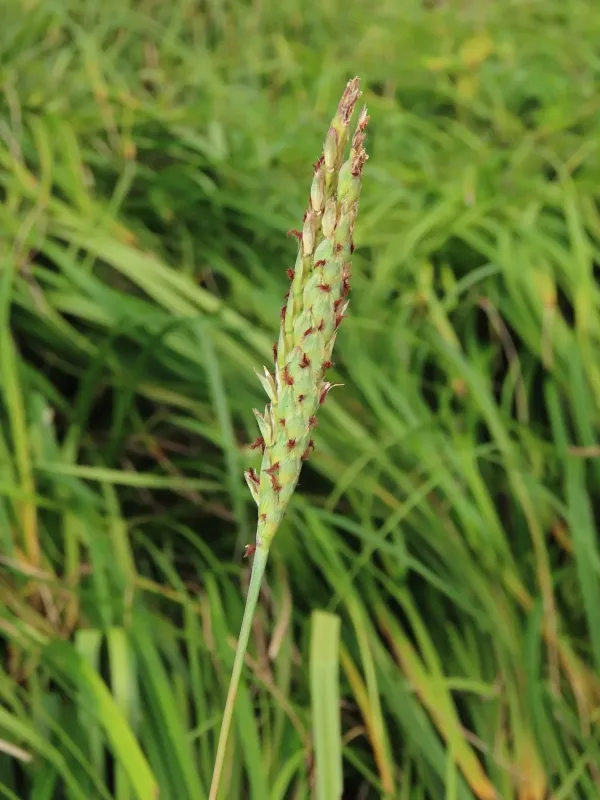
Description
Sowing dates
Sowing Ischaemum crassipes is best performed in the spring season when soil temperatures remain consistently above 15 degrees Celsius to encourage rapid germination.
Preparing a fine seedbed is essential, as the small seeds of this grass species require intimate contact with the soil to successfully draw moisture for sprouting.
Seeding depth should be kept shallow, typically no more than two centimeters, to ensure that the emerging seedlings can reach the surface before exhausting their energy reserves.
Implementing a proper row spacing strategy allows for better air circulation and reduces competition between plants, which is vital for initial establishment success.
Early season irrigation is often necessary in drier climates to maintain consistent soil moisture until the root systems are sufficiently developed to support the plant.
Growing requirements
Ischaemum crassipes belongs to the Poaceae family and is recognized for its preference for high-moisture environments, often naturally occurring in wet meadows and riverbanks.
This grass thrives in fertile, loamy soils that can retain sufficient water while providing enough organic matter to support dense vegetative biomass production.
The plant requires ample sunlight to maximize its photosynthetic capacity, though it shows remarkable resilience when growing in partially shaded areas near water bodies.
Balanced nutrient management, particularly the application of nitrogen and phosphorus, is crucial for promoting vigorous tillering and sustained growth cycles throughout the year.
While the species is adapted to wet conditions, maintaining good soil structure is important to ensure aeration for root health and to avoid harmful waterlogging scenarios.
Main diseases and pests
The primary diseases affecting this crop include various rusts and leaf spot fungi that tend to thrive in the humid microclimates created within thick grass stands.
Insect pests such as grass stem borers and caterpillars can impact the foliage, significantly reducing the biomass yield and nutritional value of the forage.
Implementing regular field inspections is a key management strategy to detect pest outbreaks or fungal growth before they cause significant economic damage to the crop.
Cultural control methods, such as thinning stands and managing irrigation to avoid stagnant water, can significantly reduce the pressure from common grass diseases.
The use of balanced fertilization avoids creating overly lush growth that might otherwise attract opportunistic pests, keeping the grass stand robust and healthy.
Harvesting
Harvesting should be timed to coincide with the early flowering stage, as this represents the optimal balance between high biomass yield and high nutritional content.
Cutting the grass at a height of approximately 10 centimeters promotes faster regrowth, allowing for multiple harvests within a single growing season in optimal regions.
If harvesting for seed, it is essential to monitor the maturation of the panicles closely and collect before natural shattering occurs to prevent significant field losses.
Efficient post-harvest drying is critical to ensure the longevity of stored forage and to prevent the development of molds that could compromise feed safety.
Mechanical harvesting equipment should be calibrated to minimize mechanical damage to the remaining plant bases, which is vital for ensuring long-term field productivity.