
Ischaemum
Ischaemum
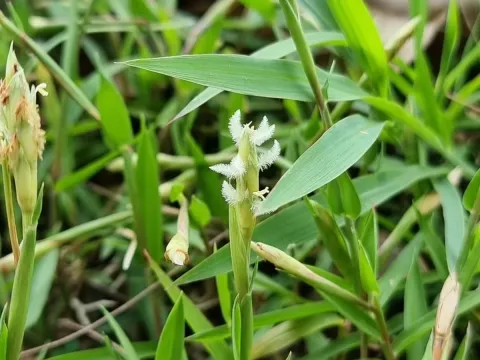
Ischaemum is a genus of perennial grasses belonging to the Poaceae family, widely distributed in tropical and subtropical regions across the globe.
What the section contains


Ischaemum
Sowing should be performed when soil temperatures are consistently above 15 degrees Celsius to ensure rapid germination and root establishment.
Seeds are typically sown at a shallow depth of 1-2 centimeters in well-prepared seedbeds to maximize seedling emergence rates.
Row spacing depends on the intended use; closer spacing is preferred for dense pasture cover, while wider spacing is used for seed production plots.
Adequate soil moisture post-sowing is vital for the initial phase of development, as young Ischaemum plants are sensitive to prolonged dry spells.
This genus thrives in warm climates and shows remarkable resilience to varying soil conditions, including heavy clay and poor-drained soils.
Ischaemum requires full sun exposure for optimal growth; however, it can tolerate partial shade, which makes it a versatile component in silvopastoral systems.
It prefers fertile soil with good moisture retention but is also capable of surviving periods of temporary inundation or moderate drought.
Nutrient requirements include regular applications of nitrogen and phosphorus to sustain high biomass production throughout the growing season.
The plants are generally tolerant to a wide range of soil pH levels, making them suitable for land reclamation in diverse geographic areas.
The biomass yield of Ischaemum is highly dependent on nitrogen availability and the frequency of harvesting or grazing intervals.
High tiller density allows for rapid recovery after grazing, which is a key advantage for intensive livestock farming operations.
Yield stability is maintained by preventing overgrazing, which would otherwise exhaust the root reserves and reduce future regrowth performance.
In optimal conditions, the crop can provide several cuts per season, offering a reliable source of fiber and crude protein for ruminants.
Proper management of the sward density ensures that the forage remains high in quality, preventing the stems from becoming too lignified.
Common fungal diseases such as leaf rust and leaf blight can affect the crop, particularly under conditions of high humidity and poor ventilation.
Pests like grasshoppers and aphids are known to feed on the foliage, potentially reducing the overall vigour and photosynthetic capacity of the plants.
Weed competition during the establishment phase is a significant concern, often requiring manual or selective chemical weeding for success.
Root-knot nematodes can occasionally pose a threat in sandy soil types, emphasizing the importance of crop rotation or resistant varieties.
Maintaining a balanced sward helps to suppress weed germination and creates a more resilient ecosystem that can withstand common pest pressures.
Harvesting for silage or hay should be timed precisely at the early heading stage to capture the best nutritional value before fiber content peaks.
The use of sharp cutting blades is essential to ensure clean cuts, which promotes faster recovery and reduces the risk of plant diseases.
For grazing management, a rotational system is recommended, allowing the grass to reach a height of 30 centimeters before returning the livestock.
Post-harvest care involves avoiding machinery traffic on wet soil to prevent compaction, which can significantly inhibit future crop growth.
Efficient storage practices, including proper moisture control for hay bales, are necessary to preserve the nutritional integrity of the harvested forage.