
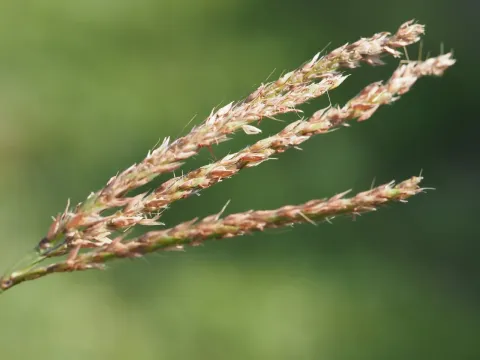
Ischaemum polystachyum
Ischaemum polystachyum
Sowing of Ischaemum polystachyum is typically performed during the start of the wet season when soil temperatures are consistently above 18-20 degrees Celsius. Adequate soil moisture is essential for successful germination and early establishment of the crop.
What the section contains
Ischaemum polystachyum
Seeds should be planted at a shallow depth of 1-2 centimeters due to their small size. Proper seed-to-soil contact is necessary to ensure uniform emergence across the field, minimizing gaps in the stand.
The grass is known for its vigorous vegetative growth, which allows it to spread via rhizomes and stolons over time. This makes it a self-sustaining species once established in pasture environments.
Seedbed preparation must involve thorough weeding, as young seedlings are poor competitors against aggressive weeds. Mechanical clearing or controlled burning before sowing is common practice in many tropical regions.
Starter fertilizers, particularly those rich in nitrogen and phosphorus, can significantly boost the initial growth phase, helping the grass cover the ground quickly and establish a dense canopy.
Ischaemum polystachyum is a member of the Poaceae family, specifically adapted to tropical and subtropical environments. It thrives in sunny locations, as it requires high light intensity for efficient photosynthesis and biomass accumulation.
One of the most notable features of this species is its high tolerance for waterlogged soils. It is frequently found in low-lying areas, riverbanks, and coastal regions where other forage grasses struggle to survive due to anaerobic conditions.
The plant performs best on fertile, well-drained to moderately poorly drained soils. While it has some adaptability to different soil types, its productivity peaks in loam soils with a neutral or slightly acidic pH.
Temperature is a limiting factor for its distribution, as the plant does not tolerate frost or prolonged cold periods. It requires a growing season with consistent warmth to remain productive throughout the year.
Regular maintenance, including strategic fertilization and weed control, is essential to maintain high-quality forage production. Periodic harvesting or grazing prevents the crop from becoming too coarse and unpalatable.
The yield of Ischaemum polystachyum is quite favorable when grown in optimal tropical climates with sufficient annual rainfall. It is capable of producing multiple harvests or supporting continuous grazing cycles during the growing season.
Biomass production is highest when the grass is harvested at the vegetative stage, just before flowering. Delaying the harvest leads to an increase in structural fibers, which significantly reduces the nutritional value for livestock.
As a pasture grass, its yield is often measured by its carrying capacity, or the number of animals it can sustain per hectare without degrading the soil structure or the plant stand itself.
Nutritional quality, specifically crude protein content, is generally good in young regrowth. Proper management through rotation allows farmers to maximize the total nutrient yield over the course of the year.
Overall, the plant is considered a reliable forage source in regions where its specific ecological requirements are met, providing consistent feed with relatively low input costs compared to annual crops.
Fungal diseases, such as leaf rust and various blights, pose the most significant threat to Ischaemum polystachyum, particularly during periods of high humidity and limited airflow within the canopy.
Pest pressure can include stem-boring insects and root-feeding larvae, which can weaken plants and reduce the overall density of the stand. Monitoring for signs of infestation is crucial for high-production areas.
Invasive weed species can quickly colonize patches where the grass stand has been weakened by overgrazing or poor management. Maintaining a competitive, dense stand is the best natural defense against invasive flora.
- Leaf rust
- Stem rot
- Root-feeding larvae
- Competitive broadleaf weeds
Effective management includes maintaining a balance between grazing intensity and the plant's ability to recover, preventing the spread of diseases through proper field sanitation and rotational grazing.
Harvesting for hay or silage is best carried out during the late vegetative stage. This timing ensures a high ratio of leaf to stem, which is preferred by livestock for better digestibility and nutrient intake.
In grazing systems, the harvest is managed by the livestock themselves. Farmers should aim for a rotational approach, moving animals to new paddocks when the grass height drops below a specific threshold, usually around 10-15 centimeters.
Mechanical harvesting requires sharp blades and correct cutting heights to avoid damaging the base of the plants. Leaving enough stubble is vital to allow the grass to utilize stored energy reserves for quick regrowth.
Processing the cut material quickly is important in hot, humid climates to prevent molding. Proper drying techniques for hay are necessary to maintain color and nutritional integrity until storage.
Strategic harvest management not only preserves the quality of the immediate feed but also ensures the longevity of the Ischaemum polystachyum stand for many years of productive use.