
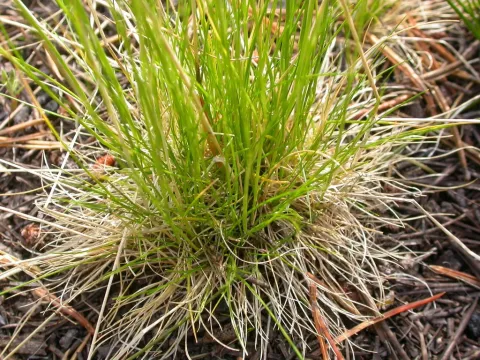
Tufted hairgrass
Deschampsia
Tufted hairgrass (Deschampsia cespitosa) is a hardy perennial bunchgrass belonging to the Poaceae family. It is best sown during the cool periods of early spring or late summer, which allows the seeds to germinate and establish strong root systems before the onset of extreme heat or winter.
What the section contains
 Bog hair-grass
Deschampsia setacea
Chapman's hair grass
Deschampsia chapmanii
Bog hair-grass
Deschampsia setacea
Chapman's hair grass
Deschampsia chapmanii
 Deschampsia foliosa
Deschampsia foliosa
Deschampsia foliosa
 Deschampsia media
Deschampsia media
Deschampsia media
 Madeira hair-grass
Deschampsia maderensis
Madeira hair-grass
Deschampsia maderensis
 Mountain hair grass
Deschampsia atropurpurea
Mountain hair grass
Deschampsia atropurpurea
 Silver hairgrass
Deschampsia argentea
Silver hairgrass
Deschampsia argentea
 Slender hairgrass
Deschampsia elongata
Slender hairgrass
Deschampsia elongata
 Wavy hair-grass
Deschampsia flexuosa
Wavy hair-grass
Deschampsia flexuosa
Tufted hairgrass
The seeds of tufted hairgrass are very small, requiring shallow sowing depths of roughly 0.5 to 1 centimeter. After sowing, light rolling of the soil surface is recommended to ensure optimal seed-to-soil contact, which significantly improves germination rates in field conditions.
When cultivated for forage purposes, it is often seeded in mixtures with legumes to improve the overall nutritional profile of the hay. Seed rates typically range from 8 to 12 kilograms per hectare, depending on the desired density and the target end-use of the forage.
Seedlings develop slowly during the first year of growth, necessitating effective weed control measures during the establishment phase. Once established, the dense tufts of this grass become highly efficient at outcompeting invasive species.
This grass is native to a broad range of temperate regions across the Northern Hemisphere. Its versatility allows it to adapt to various moisture regimes, from marshy meadowlands to drier upland habitats, making it a reliable choice for diverse ecological sites.
Tufted hairgrass is well-known for its ecological plasticity but shows a distinct preference for moist, acidic, or neutral soil conditions. It is particularly well-suited for heavy, damp soils that may challenge other forage grass species due to periodic waterlogging.
The species is exceptionally winter-hardy and thrives in cooler climates. Its ability to maintain growth at low temperatures makes it an excellent candidate for regions with long, harsh winters where other grass species remain dormant for extended periods.
While it is capable of growing in full sun, it is also noted for its shade tolerance. It can perform well under the partial canopy of trees or in slightly shaded valleys, providing ground cover where other sun-loving forage crops might fail to thrive.
Nutrient requirements are modest; the plant performs well even on soils with relatively low fertility, such as peat-rich or acidic moorlands. However, moderate nitrogen application can significantly increase biomass production in commercial settings.
- Ideal soil pH: 4.5–6.5.
- Moisture tolerance: high (prefers moist sites).
- Climate adaptability: excellent in temperate zones.
Yield production of tufted hairgrass is heavily dependent on management practices. In optimal conditions, it provides a consistent supply of green biomass that can be harvested twice annually, particularly if soil moisture is maintained throughout the growing season.
Average biomass yields for hay production typically range from 15 to 25 metric tons of green matter per hectare, depending on soil quality and the frequency of fertilizer application. Proper timing of the first cut, ideally at the onset of flowering, is essential for high-quality feed.
The nutritional quality is highest during the vegetative stage. To maximize forage value, farmers often manage it as part of a multi-species sward, balancing the high protein content of legumes with the resilient structural integrity provided by tufted hairgrass.
In addition to agricultural yield, the species is highly valued for erosion control. Its dense, fibrous root systems bind the soil effectively, preventing nutrient runoff and stabilizing slopes, which is considered a significant non-monetary yield in land management.
Consistent maintenance, such as managed grazing or cutting, prevents the foliage from becoming overly coarse, ensuring that the grass remains palatable and productive for livestock throughout its active lifespan.
Tufted hairgrass is generally robust; however, it can be susceptible to fungal infections like rust and powdery mildew when grown in stagnant, overly humid conditions. Improving airflow and avoiding over-densification helps mitigate these risks.
In terms of insect threats, soil-dwelling larvae such as wireworms can damage the root structures of young plants. Monitoring the field during the establishment period is essential to prevent significant stand thinning caused by these soil pests.
Leaf spot diseases can also occur in environments with high rainfall and warm temperatures. While rarely fatal to mature plants, these pathogens can reduce the overall quality and nutritional value of the harvested forage.
General integrated pest management practices, including proper crop rotation and the maintenance of soil health, are usually sufficient to keep pest populations below economic threshold levels without heavy chemical reliance.
Ultimately, the natural resilience of the Deschampsia genus means that, with proper site selection and balanced grazing management, the plant remains a low-maintenance and long-lived component of agricultural lands.