


Reference · Crops
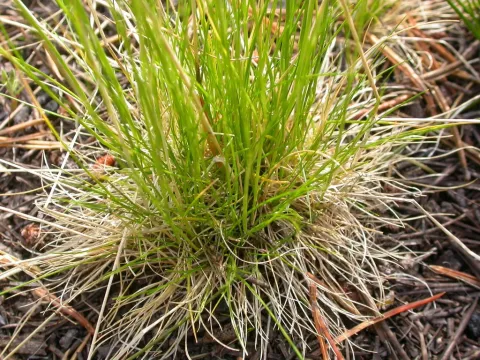
Tufted hairgrass
Deschampsia P. Beauv.
The optimal sowing time for tufted hairgrass is early spring or late summer, when soil moisture is sufficient and temperatures remain moderate. Early spring sowing is preferred for cooler regions as it allows the plants to establish well before summer heat stress.
1
items
What the section contains
Marketplace
Products in this section · 2

Tufted hairgrass
For high-quality forage stands, seeds should be sown at a depth of no more than 1–1.5 centimeters, as they are small and have low emergence energy if buried too deeply. The seeding rate is approximately 6–8 kg per hectare in pure stands.
In grassland management, tufted hairgrass is often included in mixtures with clover or timothy to compensate for its slow initial growth rate and to increase the overall density of the sod.
Sown areas must be thoroughly rolled after seed distribution to ensure good contact between seeds and soil particles. During the first year, it is vital to monitor and manage weeds that may compete with the young grass seedlings.
Seedlings typically emerge within 15–20 days under favorable moisture levels. This species is highly winter-hardy, meaning that autumn sowing can also be successful if completed at least a month before the ground freezes.
Tufted hairgrass, belonging to the Poaceae family, is a species adapted to high-moisture environments. It thrives in floodplain meadows, lowland marshes, and areas where the water table is relatively close to the surface.
The crop shows high tolerance to acidic soil conditions, making it a valuable component for peatlands and acidic mineral soils. The optimal soil pH range is between 4.5 and 6.5.
The plant features a dense, deep root system that helps reinforce the soil structure. It handles prolonged spring flooding well but is sensitive to complete moisture loss during extended periods of drought.
Tufted hairgrass prefers a cool, temperate climate and responds effectively to nitrogen fertilization during the spring growth phase. Its biological adaptations allow it to persist in regions with short growing seasons.
While moderately shade-tolerant, it produces the highest biomass yields in open, well-aerated environments, making it suitable for both pure pastures and silvopastoral systems.
Biomass production is highly dependent on soil quality and mineral nutrition. Under favorable conditions with balanced nitrogen and phosphorus fertilization, yields can reach 15–20 tonnes of green matter per hectare.
Seed production is a significant economic aspect of growing this grass. With specialized management, seed yields can range from 200 to 400 kg per hectare of pure crop stand.
Productivity typically peaks during the second or third year, once the plant has developed a robust and deep root system. Regular nutrient management is essential to maintain feed quality in subsequent years.
Generally, two cuts per season are possible, as regrowth following mowing is moderate. The first cut provides the bulk of the biomass, while the second contributes to total yield and improved stand structure.
When used in grazing systems, tufted hairgrass demonstrates excellent tolerance to trampling, which helps extend the period of intensive pasture use throughout the grazing season.
Tufted hairgrass possesses high natural resistance to many common pathogens, though it can be susceptible to grass rust under high-humidity conditions. Rust manifests as orange spots on leaves, which lowers the quality of the forage.
Among pests, grass flies and certain moth larvae pose the greatest risk. Grass fly larvae can damage stems during the early vegetative stage, leading to growth stunting and thinning of the stand.
Wireworms and cockchafer larvae often attack the root system, particularly in the first few years. This is especially critical for fields bordering forests or those with high organic content in the soil.
Managing the grass through a strict mowing schedule helps prevent moisture stagnation in the base of the sod, effectively lowering the risk of fungal infections.
Integrated protection methods, such as crop rotation and the application of balanced potash fertilizers, significantly boost the plant's immunity against pest and disease outbreaks.
Harvesting for hay should occur during the heading phase, when the nutritional content reaches its peak. Delaying harvest leads to stem lignification and a sharp decline in protein levels.
For seed production, direct combining is the standard method, performed once the panicles are fully mature. It is crucial to monitor maturity closely to minimize seed shattering, as the seeds detach easily once dry.
When harvesting for hay, mower-conditioners are recommended to speed up the drying process, as tufted hairgrass stems can be coarser than those of other grasses.
Hay drying must take place in well-ventilated conditions. The grass retains its nutritional value well when stored properly in stacks or bales protected from precipitation.
Post-harvest maintenance includes harrowing to remove dead plant material and applying top-dressings, which stimulates growth for the following season and prevents the stand from aging prematurely.