
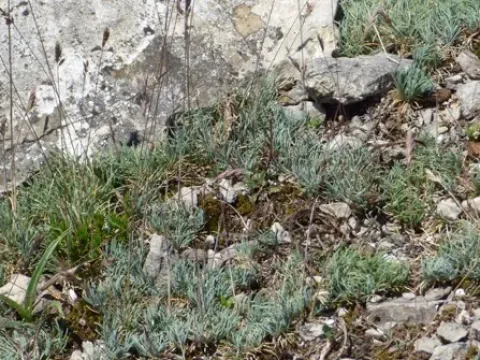
Festuca hystrix
Festuca hystrix
The optimal time for sowing Festuca hystrix is early spring, as soon as the soil warms up to 8–10 degrees Celsius, or in late August.
What the section contains
Festuca hystrix
Seeds should be sown at a depth of no more than 1–2 centimeters, as they are small and require good contact with the moist soil layer.
For late-autumn sowing, it is crucial to complete the work before the ground freezes to prevent seeds from germinating and subsequently dying.
The seeding rate varies based on the objective: it is higher for dense decorative lawns and lower for field forage stands.
Rolling the field after sowing is recommended to compact the soil and improve the capillary moisture flow to the seeds.
Festuca hystrix belongs to the Poaceae family and is a typical xerophyte adapted to survive in moisture-deficient conditions.
The crop prefers well-drained, sandy, or rocky soils, demonstrating high resistance to low fertility and soil salinity.
This plant is extremely light-demanding; when grown in shade or under a dense canopy of trees, it quickly loses its decorative value and vigor.
It is characterized by high winter hardiness and can withstand prolonged drought due to its deep root system that reaches deep into the substrate.
Nitrogen fertilizer application should be moderate, as excessive nutrition can lead to overgrowth and the loss of the plant's compact clump form.
The agricultural value of Festuca hystrix lies primarily in creating durable vegetation covers resistant to trampling and mechanical stress.
In pasture use, it provides stable, albeit moderate, green mass yields on poor-quality soils where other grasses fail.
It is frequently used for land reclamation, stabilizing slopes, and preventing erosion on vulnerable plots due to its dense turf.
In landscape design, the crop is valued for its ability to maintain a neat and orderly habit throughout the entire growing season.
Seed productivity is moderate; harvesting should occur when the panicles turn brown, with caution taken to prevent seed shattering in the field.
The primary threats to Festuca hystrix are fungal diseases that develop under conditions of moisture stagnation or excessive planting density.
Rust diseases can infect leaves during periods of high humidity, which decreases the quality of vegetative mass and overall plant health.
Powdery mildew often appears against a backdrop of stress factors, such as mineral nutrition imbalances or drastic temperature fluctuations.
Among pests, wireworms and white grubs are the most dangerous, damaging the plant's root system during the first few years of growth.
Preventive measures, including seed treatment, soil drainage, and timely weed management, are the most effective ways to control threats.