
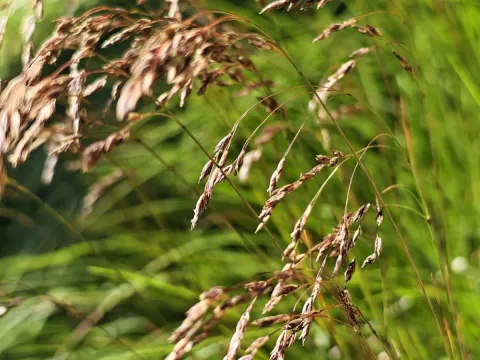
Festuca pulchella
Festuca pulchella
Festuca pulchella is a perennial grass species belonging to the Poaceae family. It is recognized for its high adaptability to varying climatic zones, occurring naturally in temperate regions across Eurasia where it thrives in open meadows and rocky slopes.
What the section contains
Festuca pulchella
Botanically, this species is characterized by a dense tufted growth habit and narrow, often filiform leaf blades. It produces a fibrous root system that provides significant soil stabilization benefits, making it an excellent candidate for erosion control in various agricultural landscapes.
The crop requires well-drained soils and performs best under moderate moisture conditions. While it is highly tolerant of poor soil fertility, optimal productivity is achieved in soils with a balanced pH level. It does not tolerate prolonged waterlogging, which can cause root rot.
Agronomic management includes establishing the crop during the spring season to ensure sufficient root development before the onset of summer. Proper seedbed preparation and adequate sowing depth are essential for uniform seedling emergence, which is critical for stand establishment.
The agricultural importance of this grass lies in its use as a high-quality forage crop. It is highly valued for its ability to regrow rapidly after grazing or harvesting. It contributes significantly to the nutritional value of mixed pastures, providing essential protein content for livestock.
The primary diseases affecting Festuca pulchella include rust fungi and powdery mildew. These pathogens thrive in humid environments and can significantly reduce both the yield and the overall palatability of the forage if left unmanaged.
Insect pests, particularly cereal flies and aphids, can cause substantial damage during the early growth stages. These pests target the developing tillers and leaves, which can stunt plant growth and reduce the density of the forage stand.
Integrated pest management strategies are recommended, starting with proper field hygiene and the selection of disease-resistant varieties if available. Regular mowing serves as an effective physical method to interrupt the lifecycle of many harmful insects and pathogens.
Fertilization regimes play a crucial role in maintaining plant health and vigor. Providing adequate nutrients enables the grass to recover quickly from biotic damage and maintain competitiveness against encroaching weeds within the pasture environment.
Monitoring for pest presence is advised during the peak growing season to determine the need for intervention. When necessary, the use of targeted biological or chemical control measures should be applied strictly according to safety protocols for forage crops.