
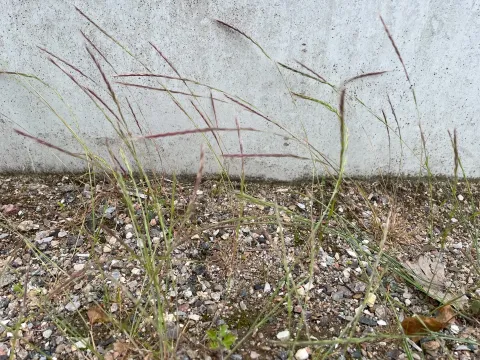
Festuca muralis
Festuca muralis
Festuca muralis, commonly known as wall fescue, is an annual member of the Poaceae family. The optimal sowing time is in early spring, when the soil temperature consistently reaches 5–8 degrees Celsius for successful germination.
What the section contains
Festuca muralis
Seeds should be planted at a shallow depth of approximately 1–2 centimeters. Proper seed-to-soil contact is essential for this species, as the seeds are relatively small and sensitive to desiccation in the topsoil layer.
The recommended seeding rate is between 12 and 16 kilograms per hectare, depending on local soil fertility and moisture availability. Row planting is generally preferred to maximize space and nutrient utilization.
After seeding, rolling the field helps to ensure a uniform emergence rate. This mechanical action is vital to stabilize the surface and conserve soil moisture for the developing seedlings.
In regions with milder winters, late autumn seeding can be an alternative to ensure early spring growth. However, most commercial operations favor spring planting to avoid frost damage to young plants.
Festuca muralis thrives in well-drained loamy or sandy soils with a neutral pH level. It does not tolerate waterlogged conditions, which can lead to root suffocation and increased risk of fungal infections.
The plant requires full sun exposure for optimal photosynthetic activity. While it possesses moderate drought tolerance, sustained productivity depends on adequate rainfall or supplemental irrigation during peak growth periods.
Nitrogen fertilization is highly beneficial during the tillering stage to support biomass development. Balanced applications of phosphorus and potassium are also required for strong root system establishment.
Inter-row cultivation during the early stages of development helps in suppressing weeds and improving soil aeration. This process significantly contributes to the overall vigor of the crop stand.
Crop rotation remains a fundamental practice to maintain soil health. Rotating with legumes can naturally increase soil nitrogen levels, providing a competitive advantage for future Festuca muralis crops.
The primary agricultural use of wall fescue is as high-quality forage for livestock. It is prized for its nutritional density during the vegetative phase and its palatability for grazing animals.
Yield potential is largely determined by environmental conditions and the intensity of nutrient management. Under optimal conditions, the species demonstrates impressive biomass production throughout the growing season.
To maximize forage quality, harvesting should occur before the plants reach the stem-hardening phase. Timing the cut during the boot stage ensures the highest protein content in the dry matter.
Grazing management should focus on rotational patterns that allow for adequate recovery time. This prevents overgrazing and encourages the longevity and density of the forage stand.
Seed production requires careful monitoring to prevent losses due to natural shattering. Timely harvesting when the seeds reach maturity is essential to guarantee a high yield of high-quality seed stock.
The species is susceptible to common fungal pathogens, including rusts and powdery mildew, especially under high humidity. Fungicidal applications are recommended if threshold levels are exceeded.
Pests like cereal flies and aphids can cause significant damage to young seedlings. Effective management strategies involve regular scouting and the use of integrated pest management (IPM) practices.
Root rot caused by various fungi can be a problem in areas with poor drainage or excessive soil compaction. Improving field drainage is the most effective preventative measure against these diseases.
Weed management is critical in the first few weeks after emergence. Selective herbicides or mechanical weeding are effective tools to reduce competition for light and soil nutrients.
By monitoring the field regularly, farmers can identify and address pest outbreaks early. This proactive approach helps to maintain the profitability of the forage crop throughout the season.
For hay production, mowing should be followed by a drying process in windrows. Controlling moisture levels below 17 percent is necessary to prevent spoilage and ensure safe, long-term storage.
The plant can support multiple cuts per season, provided the weather conditions are favorable. This allows for a continuous supply of fresh fodder for farm animals throughout the summer months.
When harvesting for seeds, direct combining with a properly adjusted header is standard practice. Gentle handling during the harvesting process minimizes mechanical damage to the seeds.
Post-harvest residues can be left on the field to improve organic matter content in the topsoil. This practice provides a natural mulch that protects the soil from erosion during the off-season.
Proper storage in a dry, ventilated facility is required to maintain seed quality until the next planting cycle. Ensuring optimal conditions keeps the germination percentage high over extended periods.