
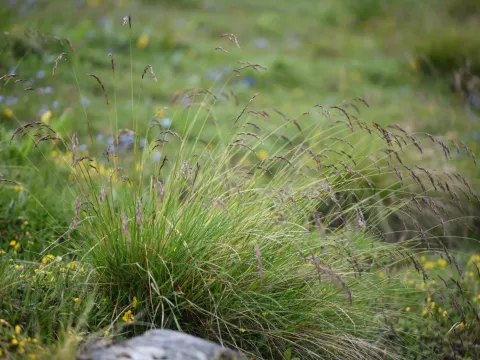
Festuca acuminata
Festuca acuminata
Festuca acuminata, commonly known as a type of fescue, belongs to the Poaceae family. This perennial grass is valued in agricultural systems for its resilience and ability to provide a consistent source of forage throughout the growing season.
What the section contains
Festuca acuminata
The optimal sowing time is typically during the early spring or late autumn when soil moisture is adequate for germination. Seeds should be placed at a depth of 1–2 centimeters, ensuring they are well-covered to protect them from environmental fluctuations and birds.
A consistent seeding rate is essential for establishing a dense and uniform stand. Proper spacing between rows allows the plants to develop strong root systems without excessive competition for nutrients and space in the initial stages of development.
During the first year, the crop invests heavily in root development and establishes slowly above ground. Therefore, it is critical to manage weed interference during this period to ensure the young seedlings have sufficient light and nutrients.
Once established, the grass is remarkably persistent and recovers quickly after mowing or grazing. Its deep root architecture contributes to soil stabilization, making it an excellent choice for preventing soil erosion in pastures.
Festuca acuminata thrives in a variety of environments, showing high adaptability to different soil types. However, it performs best in well-drained loam soils with moderate fertility and a neutral to slightly acidic pH level.
The crop requires sufficient sunlight to reach its full productive potential. While it can withstand partial shade, stands in full sun are significantly more vigorous and provide a higher yield of nutritional biomass for livestock.
Climate adaptability is one of the key strengths of this species. It shows high tolerance to cold temperatures during the winter months and remains relatively dormant during severe droughts, showing quick recovery once moisture returns.
Agronomic management should include periodic nutrient replenishment. Nitrogen-based fertilizers are particularly effective in stimulating vegetative growth and increasing the crude protein content of the grass for cattle and sheep.
Water management is crucial, as the grass does not tolerate waterlogging. Ensuring that the field has a proper drainage system will help prevent root rot and other physiological issues that can reduce the longevity of the forage crop.
Fungal diseases represent a significant threat to fescue stands, particularly in areas with poor air circulation and high humidity levels. Rust and powdery mildew are the most common pathogens that can affect the quality of the foliage.
Insects, such as grass flies and stem-boring insects, can cause economic damage by affecting the growing points of the plants. Regular monitoring of the field is necessary to detect early signs of infestation and prevent large-scale outbreaks.
Nematodes may also impact the health of the root system, potentially leading to weakened plants that are less productive. Crop rotation is an essential tool to break the life cycle of these pests and maintain the overall health of the soil.
Proactive management of weeds and plant debris is essential to minimize the inoculum of diseases. Keeping the forage stand healthy through balanced fertilization makes it more resistant to both biotic and abiotic stresses.
In cases of severe infection, targeted fungicide application may be necessary. Always adhere to the recommended safety intervals and label instructions to ensure the safety of the forage for livestock consumption.