
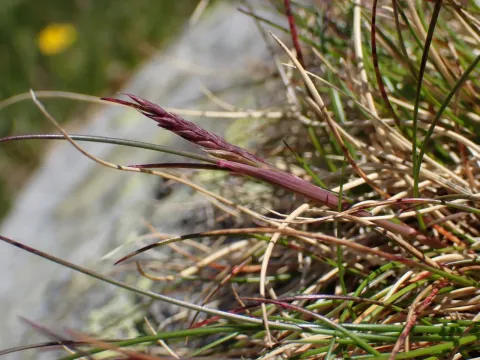
Festuca airoides
Festuca airoides
Festuca airoides, commonly known in botanical terms as a type of alpine or dwarf fescue, belongs to the Poaceae family. It is a perennial grass species recognized for its resilience and ability to thrive in harsh environments where other agricultural crops fail.
What the section contains
Festuca airoides
This grass is well-adapted to varied soil types, including poor, rocky, and sandy substrates. Its biological structure allows for significant nutrient uptake, making it a reliable choice for stabilizing poor quality land and preventing soil erosion.
In terms of climate, Festuca airoides is highly tolerant to extreme cold and drought conditions. It thrives in open, sunny habitats and is particularly effective in high-altitude or northern regions where the growing season is significantly restricted by temperature.
The botanical characteristics of the species include a dense, tufted growth habit and narrow, fine leaves. This density provides an excellent soil cover, protecting the surface from wind and water erosion while contributing to the organic matter of the soil.
Agriculturally, this species is utilized mainly for sustainable pasture development and ground restoration. It is an essential component of native grassland ecosystems, providing essential forage during early growth phases and maintaining the ecological balance of the rangeland.
The primary fungal threats to Festuca airoides include various species of rust and powdery mildew. These diseases are usually triggered by environmental stress, particularly excessive humidity combined with poor airflow within the grass canopy.
Insect pests such as wireworms and various species of aphids may cause damage to the root system and succulent young shoots. Monitoring for these pests during the early establishment phase of the crop is crucial for long-term productivity.
To manage these threats effectively, farmers should focus on maintaining proper pasture hygiene. This includes removing excessive thatch and avoiding overgrazing, which can weaken the plant and make it more susceptible to pathogen attacks.
Cultural control measures, such as adjusting grazing pressure and ensuring balanced soil fertility, are highly effective in promoting plant vigor. Robust, healthy plants are significantly more resistant to both disease outbreaks and pest infestations.
If chemical intervention is required, it must be performed selectively to preserve the beneficial insect populations that naturally help control pest levels. Integrated pest management practices remain the gold standard for maintaining the health of this hardy forage grass.