
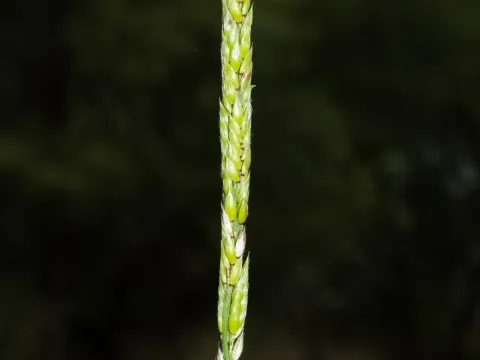
Eriochloa contracta
Eriochloa contracta
Eriochloa contracta is a member of the Poaceae family. Commonly known as prairie cupgrass, this annual grass species is native to the Americas, predominantly found in various habitats ranging from plains to agricultural fields.
What the section contains
Eriochloa contracta
This plant thrives in full sunlight and prefers well-drained, fertile soil types. It demonstrates significant tolerance to varied moisture levels, though it performs best when provided with adequate irrigation during the active growth phase.
The botanical structure of the plant features narrow, blade-like leaves and a characteristic spike-like inflorescence. It is highly adapted to temperate and subtropical climates, utilizing high temperatures to maximize its biomass production.
From an agronomic perspective, it acts as a forage resource for livestock. While often managed as a weed in row crops, its nutritional profile in controlled settings is being investigated for livestock feeding programs.
Successful cultivation requires soil testing to ensure a balanced nutrient supply. Nitrogen fertilization, if applied correctly, can significantly increase the total biomass yield per hectare.
The crop is susceptible to common grass pathogens, including various leaf rusts and smut fungi. These diseases can impair photosynthesis and reduce the overall quality of the harvested green fodder.
Insect pests, specifically aphids, spider mites, and grasshoppers, frequently target the succulent tissues of the plant. Integrated pest management strategies are necessary to keep their populations below the economic injury level.
Root rot becomes a significant threat in areas with poor drainage or excessive soil compaction. Ensuring proper site preparation is critical to mitigate the risk of these soil-borne complications.
Invasive weed competition during the early establishment phase is a major challenge. Early season mechanical weeding or the application of specialized herbicides is recommended to ensure crop dominance.
Environmental stress, such as extreme heat combined with drought, can lead to stunted growth. Maintaining consistent soil moisture is the primary preventive measure against such stress-induced damage.