
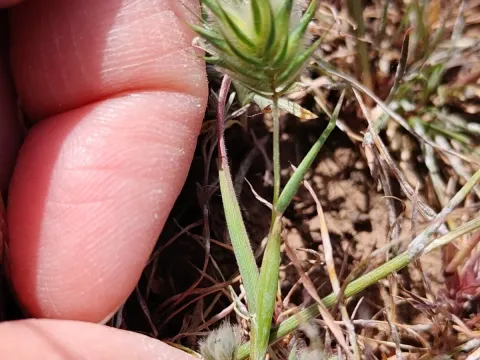
Eremopyrum
Eremopyrum
Eremopyrum is a genus of annual grasses belonging to the family Poaceae, widely recognized for its resilience in arid and semi-arid environments. These plants are essential components of steppe and desert ecosystems.
What the section contains


Eremopyrum
The origin of this genus is tied to the dry regions of Central Asia, the Caucasus, and parts of Europe. They thrive in climates where annual precipitation is low and summer temperatures are consistently high, necessitating a highly specialized metabolic strategy.
Botanically, Eremopyrum species are characterized by short stature and a fast growth cycle. This ephemeroid nature allows the plants to bloom and set seeds before the onset of the most severe summer droughts.
These grasses are notably undemanding regarding soil quality. They exhibit remarkable tolerance to saline and sandy substrates, often colonizing areas where other vegetation fails to survive, thus acting as pioneer species.
Successful growth of Eremopyrum relies on high light intensity and minimal competition. Due to their drought-avoidance mechanism, they perform well in extensively managed rangelands without the need for sophisticated irrigation systems.
Agricultural use of Eremopyrum is primarily focused on livestock grazing. It serves as a critical source of early-season forage, providing high protein content to cattle, sheep, and camels during the spring period.
The plant is highly palatable while in its vegetative stage. Producers manage grazing rotations to utilize the biomass before the plants become lignified and lose their nutritional density after seed maturation.
Hay production requires precise timing, targeting the heading stage to ensure the best digestibility. Because the plants mature quickly, the harvesting window is relatively narrow compared to perennial pasture species.
In terms of sustainability, Eremopyrum contributes to land conservation by anchoring loose soils and preventing erosion in arid terrains. Its ability to shed seeds effectively ensures natural regeneration for subsequent years.
Researchers consider Eremopyrum a potential genetic resource for breeding programs aiming to develop more drought-tolerant cereal varieties. Its unique physiological traits make it a subject of interest for climate-resilient agriculture.