
Eriochloa australiensis
Eriochloa australiensis
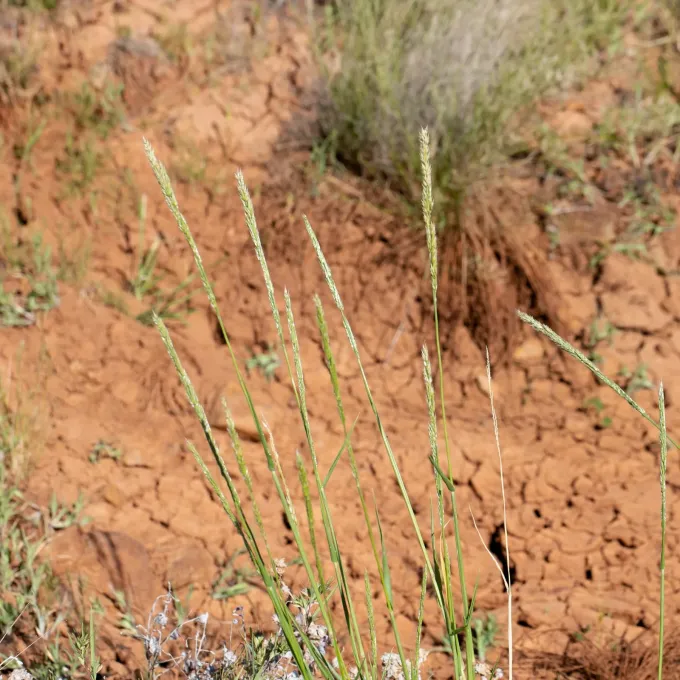
Description
Sowing dates
Sowing of Eriochloa australiensis should be conducted when soil temperatures reach stable warm levels, typically during the onset of the wet season. The seeds require warmth and consistent moisture to successfully germinate and establish a robust root system before the onset of extreme heat.
The planting depth must be kept shallow, between 1 and 2 centimeters, due to the small size of the seeds. Utilizing specialized planters or seed drills calibrated for small seeds ensures even distribution and prevents burial at depths that would inhibit emergence.
Seeding rates generally range from 5 to 9 kilograms per hectare depending on the soil fertility and intended density of the sward. Higher seeding rates are recommended in areas where competition from invasive weeds is expected to be high during the establishment phase.
Immediately following the sowing process, rolling the field with a light roller is highly recommended. This practice improves soil-to-seed contact, which is the most critical factor in achieving high emergence rates in rain-fed agricultural systems.
Early maintenance after sowing involves ensuring the soil remains moist. In regions with inconsistent rainfall, supplementary irrigation during the first three weeks of life is the primary strategy to ensure the crop establishes successfully before it becomes drought-tolerant.
Growing requirements
Eriochloa australiensis is a member of the Poaceae family, known for its significant adaptability to tropical and subtropical climates. It thrives in open, sunny environments and is recognized for its relative tolerance to periods of water stress once mature.
The crop performs best in well-drained soils, ranging from sandy loams to lighter clay structures. Waterlogging is a major constraint; the species does not tolerate poorly drained soils where stagnant water can cause root decay and subsequent thinning of the stand.
Soil pH should ideally be in the neutral range for optimal nutrient availability. While the crop can survive in moderately low-fertility soils, nitrogen application during the peak vegetative stage significantly boosts biomass production and improves the overall quality of the forage.
Light intensity is a critical factor for development. As a sun-loving grass, Eriochloa australiensis produces poor quality forage when shaded by trees or dense canopy cover. Ensuring adequate spacing in the field is vital for maximum solar interception.
Weed management during the first season is essential for the crop's long-term success. Once the canopy closes and the plants are established, the species becomes highly competitive and can suppress secondary invasive growth without the need for intensive intervention.
Yield
The primary use of this crop is for livestock grazing and hay production. It is highly valued for its palatability and nutritional profile, which remain high even in the late vegetative stages if managed correctly through periodic harvesting.
Under optimal conditions with sufficient rainfall and nitrogen input, dry matter yields can be substantial. Producers can expect multiple harvests per year in regions with a long growing season, provided the crop is given time to recover between cuttings.
When used as pasture, the crop supports rotational grazing systems efficiently. Its ability to regrow rapidly after defoliation makes it a consistent food source for cattle and other ruminants, reducing the reliance on stored supplemental feeds.
For hay production, harvesting should be performed at the early heading stage. This specific timing balances the total biomass yield with the protein and energy concentration required for maintaining livestock body condition.
Properly harvested and cured hay from this species maintains its color and nutritive value for extended periods, provided it is protected from moisture during storage. Its rapid drying characteristics make it a reliable choice for regions with limited sunny days during the harvest season.
Main diseases and pests
Fungal diseases are the primary threat, particularly in humid and high-temperature environments. Rust and powdery mildew can infect dense stands, reducing leaf area and limiting the crop's ability to photosynthesize effectively.
Insect pests such as grass aphids and leafhoppers are common concerns. These pests cause damage by feeding on the phloem of the plant and can serve as vectors for various viral diseases that negatively impact plant health and vigor.
Soil-dwelling insects, such as wireworms, present a challenge during the seedling stage. They can girdle the stems or destroy the roots, leading to patchiness in the field. Pre-plant seed treatments are the standard preventative measure against these threats.
Invasive grasses can compete with the crop during its establishment year. Using certified, weed-free seeds is the first step in prevention. If weed pressure is high, spot-spraying with selective herbicides may be necessary during the first 60 days of growth.
Management of these threats is achieved through balanced fertility, which keeps the plants resilient, and diligent monitoring of the fields. Early identification of pest or disease outbreaks allows for timely and localized intervention, which is both cost-effective and environmentally sound.
Harvesting
Seed harvesting should be performed when the crop reaches full wax maturity. Since the seed is prone to shattering during high winds or mechanical vibration, it is crucial to monitor the field daily as maturity approaches to choose the optimal window for harvest.
Direct combining is the most effective method, though it requires precise adjustment of the cylinder speed to avoid damaging the seeds. If harvest conditions are unfavorable, a windrowing approach can be utilized to allow the heads to dry uniformly.
After threshing, the seed lot must be cleaned to remove chaff and debris. This process prevents the development of heat in storage, which can occur if high levels of organic matter are left mixed with the seed.
Stored seeds must be kept in a cool, dry, and rodent-proof facility. Monitoring the moisture content is essential; even small increases in moisture can lead to a drastic reduction in seed viability due to fungal growth or insect damage.
For established fields, post-harvest residue management can involve light disking to incorporate organic matter back into the soil, which helps maintain soil structure and improves the overall sustainability of the cropping system.