
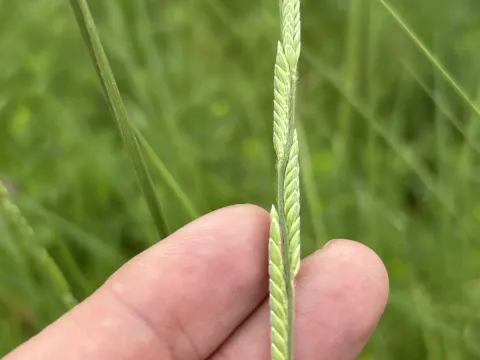
Eriochloa
Eriochloa
Sowing Eriochloa typically takes place when soil temperatures consistently reach 15–18°C. Spring is the most favorable season for planting, as the crop requires warm conditions for rapid establishment and is sensitive to frost during the seedling stage.
What the section contains

Eriochloa
Seeds of this grass often exhibit a period of dormancy, which should be considered during the seed preparation phase. Using stratified seeds or ensuring appropriate pre-sowing treatments significantly enhances germination rates and stand uniformity across the field.
The recommended planting depth is between 1 and 2 centimeters, depending on the texture of the soil. In lighter, sandy soils, a slightly deeper placement is acceptable, whereas in heavier clay soils, shallow sowing is preferred to assist the emergence of the coleoptile.
Seeding rates are adjusted based on the intended use—pasture stands generally require higher densities than hay crops. Compacting the soil lightly after sowing is a critical practice to ensure optimal seed-to-soil contact and moisture retention.
Monitoring for weed competition during the early growth stages is essential, as Eriochloa establishes its root system relatively slowly. Timely mechanical weeding or inter-row cultivation helps the seedlings gain strength and utilize soil nutrients more efficiently.
Eriochloa is a genus of grasses belonging to the family Poaceae, widely distributed in tropical and subtropical regions. It is recognized for its adaptability and significant biomass production, making it a valuable candidate for forage agriculture.
The crop thrives in well-drained, fertile soils with a pH ranging from neutral to slightly acidic. While it shows high adaptability to various soil types, its productivity is maximized in areas with consistent moisture availability throughout the growing season.
As a sun-loving species, Eriochloa requires full sun exposure to reach its physiological potential. Shading from neighboring crops or trees can result in reduced tillering and lower nutritive quality, so careful site selection is paramount for high-yield operations.
The ideal temperature range for active vegetative growth is between 20°C and 30°C. Although the plant possesses a well-developed root system that confers moderate drought tolerance, adequate irrigation during extended dry spells ensures stable growth and biomass accumulation.
Fertilization management plays a key role in crop success, particularly the application of nitrogen to stimulate leafy growth. Phosphorus and potassium are also vital for robust root development and long-term stand longevity in diverse agro-climatic conditions.
The yield of Eriochloa is heavily influenced by the specific cultivar, soil nutrient profile, and the level of management. With proper agronomic practices, producers can achieve multiple harvests within a single growing season.
Under optimal conditions, the dry matter yield typically ranges from 5 to 10 tons per hectare. Intensive systems incorporating strategic irrigation and fertilization have demonstrated potential for even higher yields, confirming the crop's economic viability for livestock producers.
The primary use of Eriochloa is for high-quality forage, including hay, haylage, and direct grazing. Livestock, particularly cattle and sheep, find the forage highly palatable, which improves overall feed intake and production outcomes.
Maximizing nutritive value requires harvesting before the plant enters the advanced flowering stages. Cutting during the vegetative or early heading phase ensures the best balance of protein and digestible fiber, which is crucial for high-performance livestock diets.
Rotational grazing patterns are recommended to maintain long-term stand health. Allowing the grass to recover between grazing periods prevents depletion of root reserves and ensures that the forage remains productive over several years of operation.
Like many members of the Poaceae family, Eriochloa is susceptible to fungal diseases such as rust and powdery mildew. High humidity and poor air circulation within the stand increase the risk of infection, highlighting the need for correct sowing density.
Common insect pests include aphids, leafhoppers, and various grass-feeding flies. These pests can damage young foliage and weaken the plant's overall vitality, making integrated pest management (IPM) a necessary part of the production cycle.
Weed management is vital during the initial establishment period to prevent nutrient and water competition. Once fully established, the crop typically exerts strong competitive pressure, but initial control remains the most critical step in successful stand development.
Nutritional imbalances, especially regarding micronutrient availability, can leave the plant more susceptible to opportunistic pathogens. A holistic approach that monitors soil health and plant vigor helps maintain the crop's natural resistance to various environmental stresses.
In regions where specific pests are endemic, selecting resistant varieties through plant breeding is the most effective defense strategy. This reduces the dependency on chemical control methods and supports sustainable, long-term agricultural production.
Harvesting Eriochloa for hay is best performed at the boot stage or early heading. This timing balances biomass quantity with quality, ensuring that the harvested product contains high levels of essential nutrients needed by livestock.
Effective drying is a critical component of the hay-making process. Utilizing windrow turners andtedders ensures that the moisture content is reduced evenly and rapidly, which prevents the formation of mold and preserves the nutrient value of the grass.
When producing haylage, maintaining a moisture level of 50–60% is essential for proper fermentation. Ensuring airtight conditions in silage bales or pits is necessary to prevent spoilage and maintain the palatability of the preserved forage.
Harvesting equipment should be calibrated to minimize leaf loss, as the foliage contains the highest concentration of vitamins and protein. Proper cutting height also facilitates faster regrowth, enabling more efficient recovery of the crop.
Post-harvest storage should involve protecting the forage from moisture and direct sunlight. Proper protection of hay bales and silage storage areas ensures the quality of the feed remains high until it is utilized in the winter feeding program.