
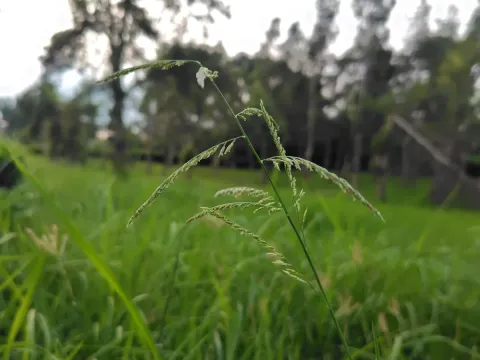
Eriochloa procera
Eriochloa procera
Eriochloa procera is a perennial grass belonging to the Poaceae family, widely recognized for its high value as forage in tropical and subtropical agriculture. It forms dense clumps and is well-adapted to various ecological niches, particularly those with high moisture availability.
What the section contains
Eriochloa procera
Native to parts of Asia and Africa, this species thrives in humid environments such as riverbanks, wetlands, and seasonally flooded areas. Its ability to withstand waterlogged soil conditions makes it a unique and valuable candidate for cultivation on land that is unsuitable for traditional cereal crops.
Botanically, Eriochloa procera is characterized by slender, erect stems and a paniculate inflorescence. The plant possesses a robust root system that helps in soil stabilization and nutrient absorption, contributing to its resilience in diverse tropical climates.
The crop requires warm temperatures and ample rainfall for optimal biomass production. While it is highly adaptable, it reaches its maximum forage potential when provided with rich soil and a stable water supply, effectively recovering after grazing or mowing.
In terms of agricultural use, this grass is prized for its palatability and nutritional content. It is effectively used as a grazing forage for livestock and can also be harvested for high-quality hay, providing a stable source of nutrition throughout the year.
Like many tropical grasses, Eriochloa procera is susceptible to fungal pathogens, particularly under conditions of poor air circulation and excessive humidity. Rust and leaf spot diseases are among the most common issues that can impact photosynthetic efficiency.
Various insect pests, such as aphids and stem borers, can threaten the integrity of the crop. These pests directly reduce the biomass yield and can sometimes facilitate the entry of secondary bacterial infections through damaged plant tissues.
Overgrazing poses a significant long-term threat to the population density of this species. When the grass is not allowed to recover sufficiently after being cut or grazed, the root reserves are depleted, leading to weakened plants and increased vulnerability to weeds.
To mitigate these threats, farmers should implement a structured rotational grazing system. This practice allows the plants time to replenish their energy stores, resulting in a more vigorous and disease-resistant sward over the growing season.
Integrated Pest Management (IPM) strategies, including monitoring and the use of resistant varieties, are essential for maintaining healthy fields. Proper soil drainage where possible, combined with balanced fertilization, further strengthens the plant's natural defense mechanisms.