
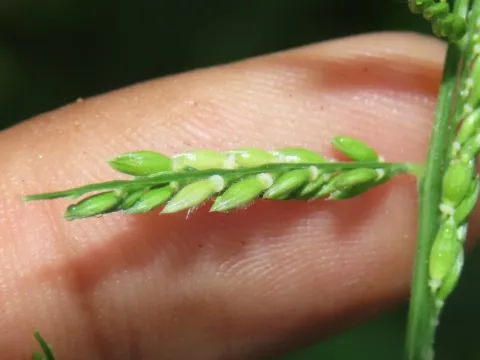
Eriochloa gracilis
Eriochloa gracilis
Eriochloa gracilis is a member of the Poaceae (grass) family, characterized by its annual life cycle and preference for warm climates. It serves as an interesting subject for agricultural study due to its resilience and biomass production capabilities.
What the section contains
Eriochloa gracilis
The plant originates from the southern regions of North America, where it thrives in warm, sunny environments. It is often found in open fields, roadsides, and disturbed soils, indicating a high level of ecological adaptability to diverse soil conditions.
Botanically, it features slender stems and narrow leaves, typical of the Eriochloa genus. The inflorescence consists of racemes arranged along the central axis, which produce small seeds that help in the rapid spread of the species throughout the growing season.
Cultivation requires well-drained soil with a balanced nutrient profile. The crop responds well to nitrogen fertilization, which is critical for maximizing its forage potential before the plant reaches its mature reproductive stage.
Climate management is essential, as Eriochloa gracilis is not frost-tolerant. Planting should be scheduled for the warmer months to avoid cold damage, and irrigation should be provided during prolonged dry spells to maintain steady growth rates.
Common threats to this grass species include leaf spot diseases and rust fungi, which often manifest in humid conditions. Managing air circulation within the field is a primary preventative measure for these fungal issues.
Insect pests such as grasshoppers and mites may target the foliage during active growth periods. Integrated pest management strategies, including the use of beneficial insects and selective maintenance, are recommended to minimize potential yield losses.