
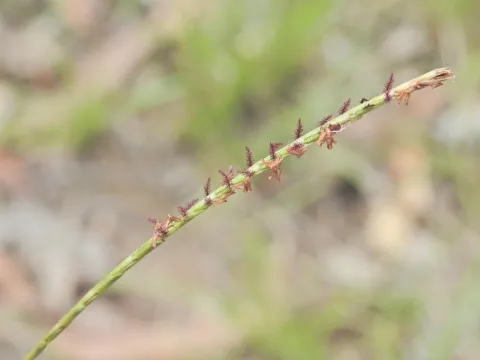
Eremochloa bimaculata
Eremochloa bimaculata
Eremochloa bimaculata is a perennial herb belonging to the Poaceae family. This species is highly regarded in specific regions for its compact growth habit and its ability to form a dense, uniform sod layer that effectively stabilizes soil surfaces.
What the section contains
Eremochloa bimaculata
Originating from the tropical and subtropical zones of Asia, this plant thrives in environments characterized by high solar radiation. Its native habitat includes open grasslands and woodland edges, where it has evolved to tolerate varying moisture levels.
The soil requirements for Eremochloa bimaculata are centered on good drainage. While it can adapt to diverse soil textures, it shows optimal performance in well-aerated sandy or loamy soils with slightly acidic to neutral pH levels, ensuring proper nutrient uptake.
Climatic adaptability is a crucial factor for this grass, as it requires sustained warm temperatures to maintain active growth. It is sensitive to frost, which limits its primary range of cultivation to regions with mild seasonal temperature fluctuations.
In agricultural and landscape applications, this grass serves as an excellent ground cover. Its density prevents soil erosion on slopes, and it is frequently used to provide green cover in areas where low-maintenance perennial vegetation is desired.
The primary threats to the health of Eremochloa bimaculata involve fungal pathogens, particularly those that thrive in high humidity. Leaf spot diseases are common when the canopy is too dense and lacks proper ventilation, necessitating careful management.
Insect pests include various ground-dwelling larvae that feed on the roots, potentially weakening the entire plant structure. Additionally, sucking insects like aphids can impact the vitality of the plant by draining sap from emerging green shoots.
Weed management is a significant challenge during the initial establishment phase. As the grass grows relatively slowly at first, it requires protection from aggressive competitive weeds that can easily outcompete the young, fragile seedlings.
Preventative measures against disease include avoiding excessive overhead irrigation late in the day, which keeps the leaf blades moist overnight. Proper fertilization balance is also key, as over-application of nitrogen can attract specific pests.
Regular maintenance practices, including vertical mowing and aeration, help to manage thatch buildup. Controlling thatch levels reduces the habitat for pathogens and ensures that water and nutrients reach the root zone effectively.