
Eriochloa fatmensis
Eriochloa fatmensis
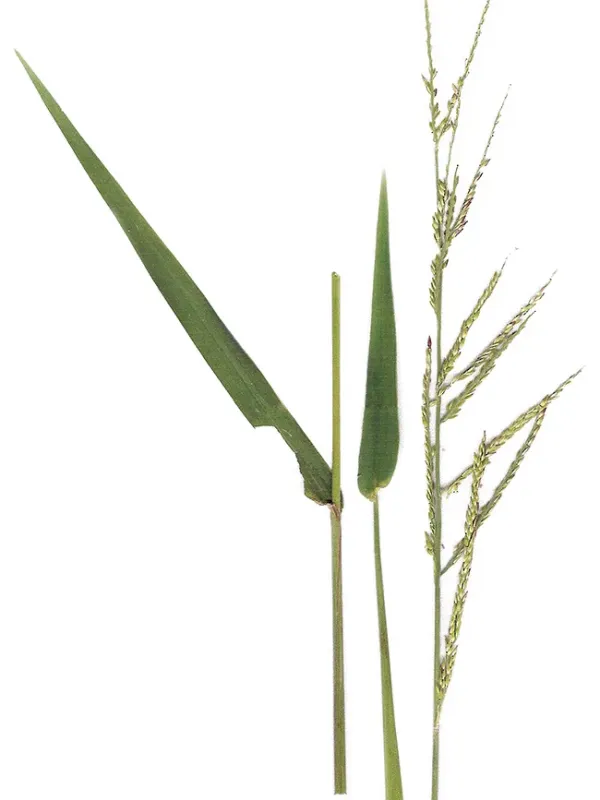
Description
Sowing dates
Eriochloa fatmensis is a warm-season annual grass that requires soil temperatures of at least 18–20°C to germinate. The ideal sowing period is late spring or early summer, once the frost risk has completely passed and the ground is consistently warm.
Successful establishment depends heavily on soil moisture during the first two weeks post-sowing. In arid regions, it is recommended to irrigate the field shortly after planting to ensure the seeds have enough moisture for uniform emergence.
Seeds should be sown at a shallow depth of 1–2 cm, as they are small and lack the energy reserves to emerge from deep within the soil. Utilizing a seed drill with press wheels ensures optimal soil-to-seed contact, leading to a higher germination rate.
The recommended seeding rate is between 10 and 15 kg per hectare, depending on whether the primary goal is green forage or seed production. A uniform distribution prevents patchiness and helps the crop compete effectively with emerging weeds.
Before sowing, the field must be cleared of previous vegetation and leveled. A fine, firm seedbed is essential for this species, as it allows for the small seeds to maintain moisture and develop a strong root system rapidly.
Growing requirements
As a member of the Poaceae family, Eriochloa fatmensis is highly adaptable to various soil textures, including sandy and loamy types. It thrives in well-drained conditions and performs poorly in waterlogged soils, which may lead to root rot.
The plant is highly responsive to high temperatures, with 25–30°C being the optimal range for development. It is characterized by high drought tolerance once established, making it a reliable choice for regions with limited rainfall during the summer months.
Nitrogen fertilization is essential for maximizing biomass production. The grass shows a rapid growth response to nitrogen applications, which should be split into multiple doses to support regrowth after each cutting for hay or green fodder.
Full sun exposure is a requirement for optimal physiological performance. Shading from trees or taller weeds significantly reduces the tillering capacity of the plant and lowers the overall nutritional quality of the forage produced.
Balanced nutrition, including phosphorus and potassium, is necessary for developing a resilient root system. These nutrients help the plants recover from cutting or grazing and enhance their tolerance to extreme heat during the peak of the growing season.
Yield
Eriochloa fatmensis is recognized for its high biomass production potential, capable of yielding 20–30 tons of green matter per hectare. The ability to harvest multiple cuts in a single season makes it an economically viable option for livestock farms.
Dry matter yields typically range from 5 to 8 tons per hectare when managed under ideal conditions. The harvested hay retains good nutritional value, providing a high-quality energy source for cattle and other ruminants during the winter season.
The species also shows excellent potential for seed multiplication. Farmers can achieve 500–800 kg of viable seeds per hectare, provided the crop is managed specifically for seed harvest rather than just fodder production.
Yield stability across multiple cuts is achieved by proper irrigation management. Keeping the plants in an active growth phase between cuttings ensures that the regrowth is lush and that the total seasonal output is maximized.
Factors that influence yield include soil fertility and the frequency of harvesting. Too frequent cutting may deplete root reserves, so allowing for sufficient leaf area index recovery between harvests is critical for long-term productivity.
Main diseases and pests
Rust diseases are the most common concern for this crop, especially in areas with high humidity or poor field ventilation. Using resistant varieties where available and rotating crops helps maintain healthy stands.
Pests like aphids and stem borers can impact vegetative growth. Regular scouting of the fields is necessary to identify early signs of infestation, allowing for targeted and efficient control measures, including biological solutions.
Root rot and other soil-borne fungi may occur if the soil remains excessively wet for long periods. Proper land leveling to prevent water pooling is the most effective preventative measure against these infections.
Weed control is critical during the establishment phase, as the young grass seedlings are vulnerable to competition. Pre-emergent herbicides or mechanical cultivation can be employed to ensure the crop gains a head start.
Locusts and grasshoppers can be a significant threat in specific geographic regions. Integrated pest management strategies, focusing on monitoring and early detection, are essential to preventing total crop failure during outbreak years.
Harvesting
The timing of the harvest is crucial to balancing biomass quantity with nutritional quality. Forage should be harvested at the onset of flowering, which ensures the highest content of crude protein and digestible energy.
When producing hay, the grass should be cut and windrowed, using conditioners to decrease drying time. Ensuring that moisture levels drop below 17% before baling is necessary to prevent spoilage and potential mycotoxin development.
For green feeding, the first cut is typically made at a height of 40–50 cm. This allows the plant to leave enough foliage for rapid regrowth, effectively extending the productive life of the field throughout the summer.
Seed harvesting should be performed when the panicles show clear signs of maturity, usually marked by a change in color to a golden brown. Mechanical harvesting must be timed carefully to avoid seed loss through premature shattering.
Post-harvest handling involves cleaning and drying the seeds to a moisture level suitable for long-term storage. Storing the seeds in cool, dry, and rodent-proof facilities ensures that viability remains high until the next planting season.