
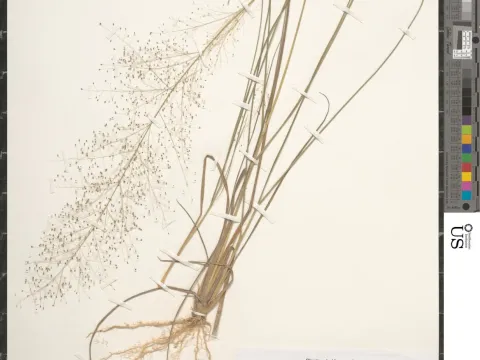
Airoide lovegrass
Eragrostis airoides
Eragrostis airoides is a perennial grass species where optimal sowing times are determined by local climatic conditions. Early spring is generally considered the best period for planting, as it allows seeds to utilize soil moisture accumulated during the winter season.
What the section contains
Airoide lovegrass
In regions with mild winters, dormant sowing is an option, as it subjects the seeds to natural stratification. Due to the small size of the seeds, shallow planting at a depth of 1 to 2 centimeters is essential for successful germination.
The seeding rate typically ranges from 6 to 10 kilograms per hectare, depending on seed quality and the sowing method used. Compacting the soil after planting is recommended to ensure firm contact between the seeds and the soil profile.
Weed management during the initial growth phase is critical, as young seedlings compete poorly with established weeds. Maintaining a weed-free environment during the first few weeks significantly improves the long-term establishment of the stand.
Germination is most effective when soil temperatures are between 15 and 20 degrees Celsius. In cases of insufficient moisture, irrigation can greatly increase the emergence rate of the crop.
This species displays high adaptability to various soil types, including sandy and slightly saline soils. It thrives in well-drained areas and cannot tolerate waterlogged conditions or poor drainage in the root zone.
Airoide lovegrass is highly drought-tolerant, making it an excellent choice for arid environments. The plant can withstand extreme heat and prolonged dry spells by entering a physiological dormancy phase, recovering quickly when moisture becomes available.
Full sun exposure is necessary for healthy growth, as the plant does not perform well in shaded conditions. It is best suited for open fields where it can actively accumulate biomass under direct sunlight.
While the plant has modest nutrient requirements, it shows a positive response to nitrogen fertilization during the tillering phase. Providing balanced soil fertility can help maintain high productivity in less fertile soils.
The species is well-suited to wide temperature ranges and can effectively manage limited water resources. Its robustness makes it a promising crop for regions characterized by hot and dry summer months.
The productivity of Eragrostis airoides is heavily dependent on management practices and water availability. Under favorable conditions, the yield of green forage can reach 15 to 25 metric tons per hectare per season.
Dry matter content typically ranges from 25% to 30%, which is considered highly nutritious for livestock feed. Harvesting at the appropriate growth stage ensures optimal protein content and digestibility for animals.
The grass is highly suitable for pasture use, showing excellent regrowth capabilities after grazing. It can be integrated into diverse forage mixtures to enhance the overall stability and output of the grassland.
For seed production, specific sections of the field should be set aside and left unharvested until the seeds reach full biological maturity. Seed yield variability is closely linked to weather conditions during flowering.
Regular monitoring of stand health allows for precise interventions, such as fertilizer application, to boost total yield. Economically, the low-maintenance nature of this grass makes it a cost-effective option for many operations.
Airoide lovegrass possesses a strong natural resistance to most common cereal and grass diseases. Proper field management usually keeps the risk of serious outbreaks to a minimum throughout the growing season.
Pests such as certain flies or beetles can occasionally impact reproductive organs, but damage is rarely widespread. An integrated pest management approach, including field scouting, is sufficient for controlling populations if needed.
Root rot issues are generally associated only with poor soil drainage, underscoring the importance of site selection. Preventing water accumulation is the most effective way to avoid these soil-borne pathogens.
Nematodes are rarely a primary threat, provided that good rotation practices are followed. Using high-quality, treated seed is recommended to prevent the introduction of pathogens into new field areas.
Overall, the crop requires very few chemical inputs, making it an environmentally friendly choice for sustainable forage production. Focus should remain on maintaining soil health and robust plant vigor.
Harvesting for hay should occur at the booting to early flowering stage to capture peak nutritional value. Delaying the harvest leads to an increase in lignin and a subsequent decrease in the digestibility of the forage.
Efficient drying and wilting of the cut mass are crucial for maintaining vitamins and preventing mold development. Turning the windrows promotes even moisture loss across the entire cut harvest.
When harvesting for seeds, a multi-stage process is preferred to maximize yields without excessive loss during threshing. Equipment must be calibrated specifically for small seeds to ensure cleaning quality.
Drying seeds to a moisture content of 12% to 14% is mandatory to ensure long-term storage viability. Proper cleaning protocols should be used to remove chaff and ensure high purity of the seed stock.
The aftermath of the first harvest can be used for secondary grazing or a final cut depending on the growing season length. Leaving a stubble height of 5 to 7 centimeters is beneficial for plant recovery and overwintering.