
Aira cupaniana
Aira cupaniana
Description
Growing requirements
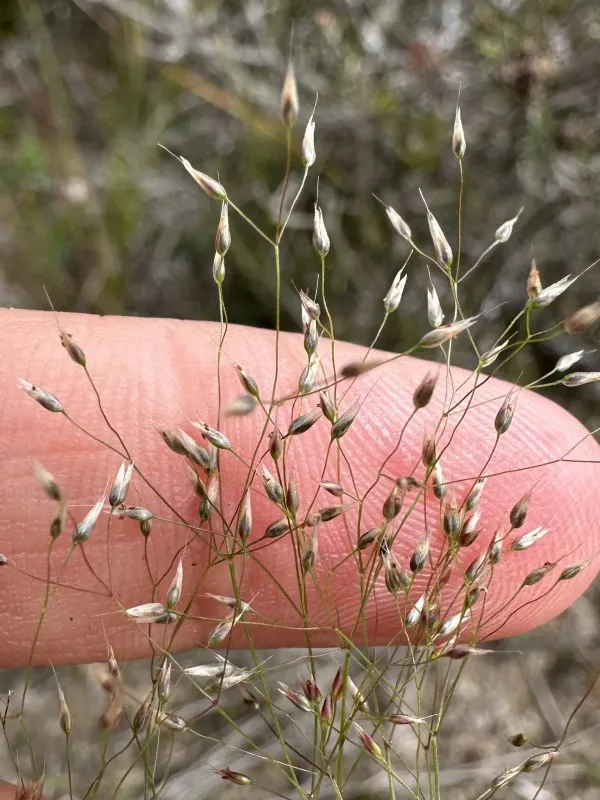
Aira cupaniana is an annual grass species belonging to the Poaceae family. Known for its delicate habit and airy inflorescences, it is a significant plant in both botanical studies and specific landscape projects.
Native to the Mediterranean region, this species naturally occurs in open, dry habitats. It has evolved to thrive in environments where resource availability is limited, making it quite resilient in challenging conditions.
The plant requires full sun to achieve its characteristic growth pattern. It is highly adaptable to various soil types, provided they are well-drained, including sandy or gravelly soils that are low in fertility.
Climatic requirements involve moderate warmth and a reliance on natural rainfall patterns. It is essential to avoid sites with high moisture retention, as stagnant water is detrimental to the survival of this particular species.
In terms of agricultural and horticultural use, it is prized for its ornamental value in dry gardens and as a dried flower component. It serves as a low-maintenance ground cover that helps in soil stabilization on exposed slopes.
Main diseases and pests
Aira cupaniana is susceptible to several fungal diseases, particularly rust and powdery mildew. These pathogens typically emerge when the humidity levels around the foliage remain high for extended periods, reducing ventilation.
Common pests that threaten this grass include aphids and thrips. These insects feed on the sap of young stems and developing inflorescences, which can weaken the plant and negatively impact its overall health and appearance.
Prevention is centered around proper spacing and selecting sites with good airflow. By ensuring that the plants are not overcrowded, the risk of developing fungal colonies is significantly reduced during the growing season.
In cases of infestation, the application of biological controls or mild horticultural soaps is recommended. It is important to avoid heavy synthetic pesticides that might damage the fragile structure of this fine-textured grass.
Strategic site preparation, focusing on soil drainage and weed management, is the primary defense against both pests and diseases. Keeping the plant in its preferred dry condition is the best strategy for natural resistance.