
Aira uniaristata
Aira uniaristata
Description
Growing requirements
Aira uniaristata is a perennial grass belonging to the Poaceae family. It is known for its ability to thrive in diverse meadow ecosystems, exhibiting significant resilience to environmental stressors.
The crop performs best in well-drained, slightly acidic to neutral soils. It is particularly well-suited to sandy or rocky terrain where root aeration is naturally high, preventing moisture-related decay.
Optimal growth requires temperate climatic conditions with sufficient rainfall during the early vegetative stages to establish a strong root system before the dry season.
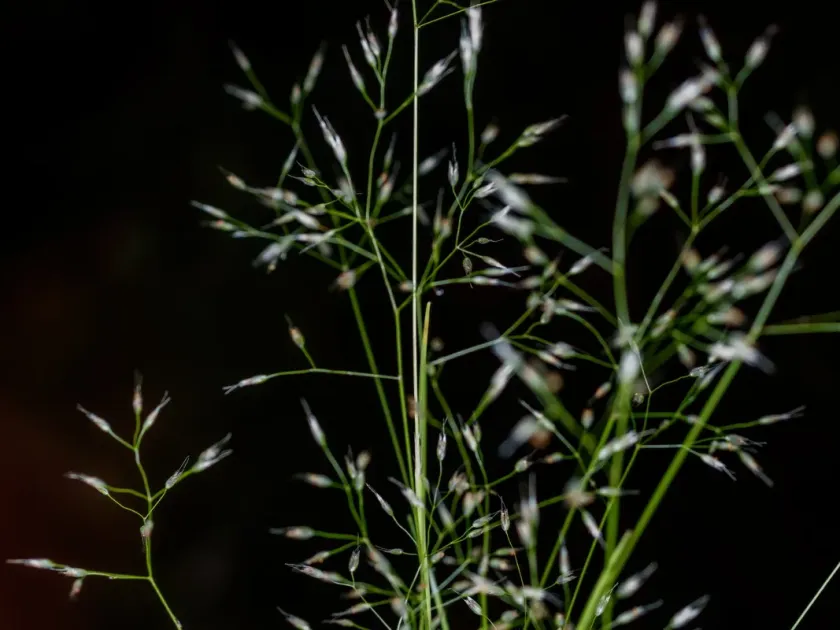
Botanically, it forms dense tufts of fine, needle-like foliage. The plant is easily identified by its panicle inflorescence, where each spikelet features a single, distinct awn, distinguishing it from other Aira species.
In agricultural practice, this plant is valued for soil stabilization and its role in permanent pasture mixtures. It provides low-maintenance cover that protects fragile lands from erosion.
Main diseases and pests
Common phytopathological issues include rust fungi and leaf spots, which typically occur during periods of prolonged high humidity and low air circulation.
Pests such as cereal aphids and various grass-feeding larvae can significantly impact vegetative density if the population levels are not managed effectively.
Competition from invasive weeds can impede the establishment of Aira uniaristata; therefore, mechanical weed control is recommended during the initial year of cultivation.
Crop rotation and maintaining balanced soil nutrient levels are vital to reducing the susceptibility of the grass to soil-borne pathogens.
Integrated pest management, focusing on early detection and biological control methods, is the most sustainable approach to protecting this grass species from severe damage.