
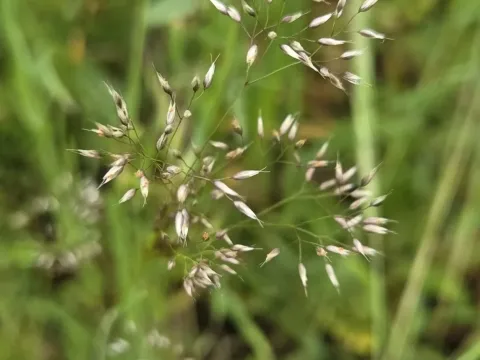
Aira multiculmis
Aira multiculmis
Aira multiculmis is a perennial grass species belonging to the Poaceae family. While often found in native pastures, it is increasingly recognized for its role in specific forage mixtures due to its ability to thrive in challenging soil conditions and its high density of tillers.
What the section contains
Aira multiculmis
The optimal time for sowing is early spring when soil moisture is at its peak. This timing ensures that the small seeds have sufficient water to germinate effectively, which is critical for establishing a uniform and healthy grass cover across the field.
Due to the fine nature of the seeds, shallow sowing is mandatory; burying them at a depth of more than 2 centimeters will significantly reduce the emergence rate. Rolling the field immediately after sowing is recommended to improve the seed-to-soil contact.
In the first growing season, the plants concentrate their energy on root development rather than above-ground biomass production. During this stage, it is essential to minimize competition from broadleaf weeds to allow the young plants to establish a firm root system.
When used in multi-species seed mixes, the seeding rate of Aira multiculmis should be carefully calculated to ensure it complements rather than outcompetes other desirable species. Once established, it becomes a robust component of the local pasture ecosystem.
This grass species is highly adaptable to various climatic zones, demonstrating excellent cold tolerance, which makes it suitable for temperate and sub-mountainous regions. It displays significant resilience in acidic or nutrient-poor soils where other grasses might struggle.
Adequate moisture is essential for productivity, yet Aira multiculmis does not tolerate waterlogged conditions. Proper drainage is therefore a prerequisite for successful cultivation, especially in areas with high annual precipitation or heavy clay soils.
The plant thrives in full sun but maintains a reasonable level of productivity in partially shaded areas, such as forest borders or orchards. This flexibility makes it an excellent choice for diverse landscape management projects and varied terrain.
Soil fertility management should focus on maintaining a steady supply of nitrogen, which is the primary driver of vegetative tillering. Phosphorus and potassium applications are also beneficial to enhance the overall winter hardiness and structural integrity of the plant.
Aira multiculmis can persist across a range of pH levels, making it a low-input choice for lands that would otherwise require extensive liming. Its ability to thrive in these conditions significantly reduces the economic costs associated with soil improvement.
The yield of Aira multiculmis is largely determined by grazing intensity and the maintenance of soil fertility. In well-managed systems, it can provide a consistent supply of forage biomass for many years without the need for frequent re-seeding.
When used as a pasture grass, it exhibits a strong capacity for regrowth after grazing, making it a reliable source of green matter during the growing season. Livestock find the younger growth highly palatable, contributing to better weight gain and animal performance.
For hay production, timing is crucial: harvesting should occur before the flowering stage to maintain the nutritional value. Late harvests often result in a significant drop in protein content as the plant allocates nutrients to seed development.
Because of its dense growth habit, this grass acts as a soil binder, preventing erosion on slopes and nutrient-leaching areas. This ecological service adds value beyond its direct feed production, protecting the long-term productivity of the land.
Managing the sward through controlled grazing or strategic mowing prevents the buildup of old stems, which encourages fresh, leafy growth. This management approach helps maintain optimal biomass production over the life of the field.
Rust fungi are the most common pathological threat to Aira multiculmis, especially in years with high humidity and stagnant air. Maintaining a healthy stand through proper seeding density is the best cultural control measure against these diseases.
Powdery mildew can affect the leaves during periods of fluctuating temperatures, potentially reducing the photosynthetic capacity of the plants. If an outbreak occurs, fungicides should be applied based on the specific recommendations for forage crops.
Pests such as cereal flies and aphids can target the tillers and young leaves, leading to weakened plants and reduced yield. Integrated pest management, focusing on early detection and biological control methods, is the most sustainable approach for large-scale production.
Root rots are often a secondary effect of poor soil aeration or excess water. Ensuring proper field drainage is the primary defense, as this removes the conditions that favor the pathogens responsible for these issues.
Wildlife damage during winter months, such as excessive trampling or grazing by burrowing animals, can affect the density of the sward. Regular monitoring and physical barriers are often necessary in areas prone to such disturbances to keep the stand productive.