
Alopecurus vaginatus
Alopecurus vaginatus
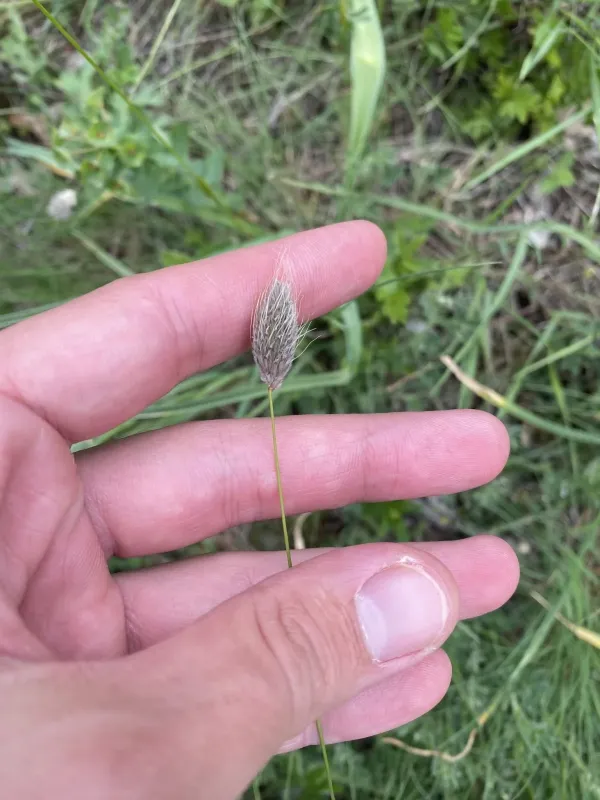
Description
Sowing dates
The ideal time for sowing is during early spring or late autumn when soil moisture levels are optimal for germination. Establishing the crop during these periods ensures that the roots develop strongly before any seasonal stress.
Typical seeding rates range from 10 to 12 kilograms per hectare, depending on local conditions and the desired density of the sward. Proper seedbed preparation, ensuring a fine tilth, is essential for achieving uniform coverage.
Seeds should be planted at a shallow depth of approximately 1-2 centimeters. Deep planting can severely inhibit germination and decrease the density of the final stand, leading to lower yields in the first season.
Fertilization strategies often include applying balanced nitrogen, phosphorus, and potassium levels at the time of planting to support initial growth. Follow-up nitrogen applications are beneficial after harvests to stimulate regrowth.
Consistent moisture management during the germination phase is critical. In dry regions, supplemental irrigation after sowing can significantly increase the success rate of crop establishment and final plant health.
Growing requirements
Alopecurus vaginatus, commonly known as a type of foxtail grass, is a perennial forage plant belonging to the Poaceae family. It is highly valued in regional agriculture for its adaptability and nutritional contribution to livestock diets.
Originating from mountain regions of the Caucasus and adjacent areas, this species thrives in climates characterized by cool temperatures and moderate moisture levels. It is particularly successful in high-altitude pastures where other grasses might struggle.
Botanically, this grass is distinguished by its clump-forming growth habit and specific leaf sheaths. It possesses a robust root system that helps the plant anchor firmly in the soil and extract nutrients efficiently, contributing to its perennial nature.
The plant is not overly selective regarding soil composition but performs exceptionally well in well-drained, fertile, and moist loamy soils. It has proven its ability to withstand slight environmental stresses, making it a reliable choice for sustainable farming.
Primary agricultural uses include hay production and grazing pasture development. Due to its palatable foliage and favorable protein content, it is considered a high-quality component for feeding cattle, sheep, and other herbivorous farm animals.
Main diseases and pests
Common plant health issues include fungal diseases such as rusts and powdery mildew, which can arise during extended periods of high humidity. Proactive monitoring and maintaining proper air circulation by timely harvesting are effective control measures.
Pests such as aphids and cereal flies can damage the leaves and stems, potentially reducing the overall forage yield. Integrated pest management strategies, focusing on biological controls, are recommended for sustainable practice.
Weed competition is a significant concern during the early stages of establishment. Manual or mechanical weeding, combined with healthy fertilization practices to promote rapid growth of the grass, can help overcome this challenge.
Regular field inspections are essential for catching disease outbreaks early. Agronomists recommend scouting the fields during peak growing seasons to assess the plant's condition and apply necessary interventions promptly.
The overall resilience of Alopecurus vaginatus to common agricultural stressors is one of its greatest assets. By ensuring proper crop rotation and maintaining soil health, farmers can minimize the impact of pests and diseases significantly.