
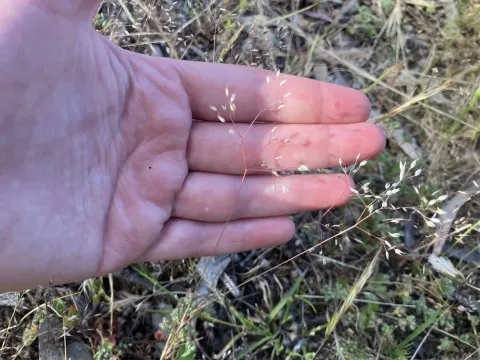
Aira elegantissima
Aira elegantissima
Sowing of Aira elegantissima should be done in early spring as soon as the soil is workable. Outdoor direct sowing is the most common method, performed once the risk of severe night frost has passed.
What the section contains
Aira elegantissima
For earlier establishment, seeds can be started indoors in flats during late winter. Transplanting the young seedlings into the garden should only happen when weather conditions are consistently mild.
The seeds are exceptionally small, so they require only a light covering of soil or just pressing into the surface. Maintaining adequate surface moisture is critical during the germination phase to ensure success.
Fall sowing is also an option in milder climates, allowing for natural stratification during the winter. This practice often results in more vigorous spring growth compared to later plantings.
Proper spacing is important for the health of the plants. While they look best in clusters, overcrowded seedlings may struggle for light and air, which is why thinning is recommended after emergence.
Aira elegantissima is a delicate annual grass belonging to the Poaceae family. Originating from the Mediterranean region, this species is well-adapted to warm, sunny environments and well-drained soils.
The plant thrives in full sun but can tolerate partial shade in hotter regions. It is highly valued for its fine, airy foliage and delicate panicles that add a sophisticated texture to any garden design.
Soil requirements are modest; it prefers lean, gritty, or sandy soils with excellent drainage. Heavy, nutrient-rich soils often lead to floppy, overgrown plants that lose their signature elegant appearance.
Drought tolerance is a key trait of this grass once it is established. It rarely requires irrigation, making it an excellent choice for xeriscaping or low-maintenance garden beds where water conservation is a priority.
Aira is often used in mixed borders, rock gardens, or as an accent in container plantings. Its light, airy habit contrasts beautifully with broad-leaved perennials and structured shrubs.
This grass is generally pest and disease-resistant. When grown in its ideal conditions, it rarely requires intervention or chemical treatments, making it a sustainable choice for organic gardening.
The biggest threat to Aira elegantissima is waterlogged soil. Poor drainage, especially during wet seasons, can lead to root rot and total plant failure. Ensuring the planting site has sharp drainage is essential.
Overcrowded plantings can lead to stagnant air, which may encourage the development of powdery mildew. Proper air circulation around the base of the plant is vital to keep the foliage clean and healthy.
While aphids can sometimes appear, they are rarely a major problem for this grass. Usually, a healthy plant in full sun can easily withstand minor pest pressure without the need for pesticides.
Weed management during the early growth stage is crucial. Since the seedlings are fragile, early competition from vigorous weeds can stunt their growth or lead to their loss in the border.
The primary use of Aira elegantissima is decorative, both in the landscape and as a component for dried flower arrangements. Harvest should take place when the panicles are fully formed and firm.
To prepare for drying, cut the stems in the morning after the dew has evaporated. Hang them in bundles in a dark, well-ventilated room to ensure the color of the delicate inflorescences is preserved.
In landscaping, this grass is frequently used to soften the appearance of hard edges in gravel gardens or borders. Its light texture creates a graceful effect that mimics natural wild meadows.
If you intend to collect your own seeds, monitor the panicles closely as they transition to a tan color. Harvest before the seed heads fully shatter to ensure a good yield for the following season.
Even after its peak flowering season, the plant retains aesthetic value. The dried foliage and stalks can remain standing through autumn, providing structure and interest to the garden even as the plant fades.