
Allophylus timorensis
Allophylus timorensis
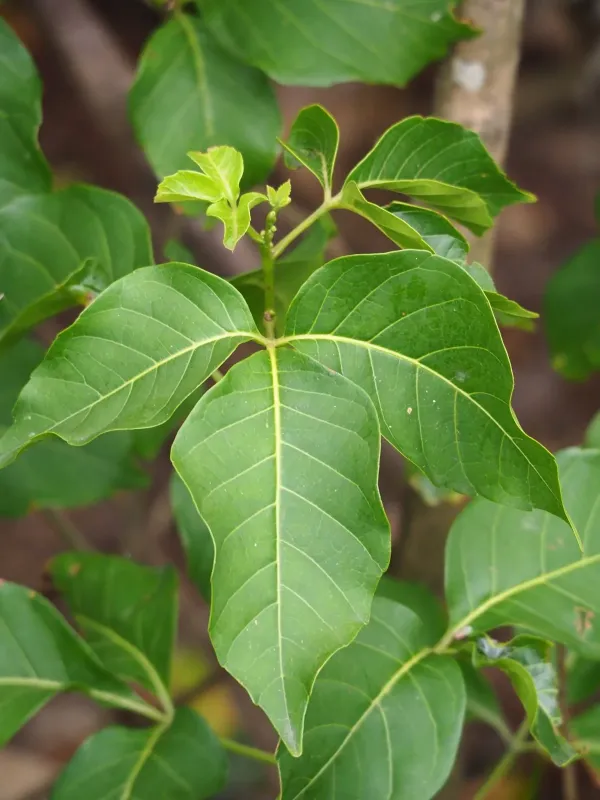
Description
Growing requirements
Allophylus timorensis is a woody perennial species belonging to the Sapindaceae family. It is primarily found in tropical regions, specifically throughout the coastal areas of Southeast Asia and various Pacific islands.
The plant thrives in diverse environmental conditions, showing a preference for lowland forests and near-shore habitats. It is remarkably tolerant of sandy and calcareous soils, which are commonly found in its native geographical range.
In terms of agricultural and ecological requirements, the species does not demand intensive management. It excels in humid tropical climates and exhibits significant resilience to the environmental stressors typical of coastal margins, such as high salt spray and seasonal winds.
The botanical structure of the plant features trifoliate leaves and produces small fruits. These structural adaptations allow it to manage water resources effectively, ensuring survival in environments where competitive flora might struggle to establish roots.
Economically, Allophylus timorensis is valued in agroforestry for soil stabilization and biodiversity maintenance. While not a primary commodity crop, its wood is utilized in local traditional construction and tool crafting, and various plant extracts are noted in ethnobotanical studies.