
Alfred's fescue
Festuca alfrediana
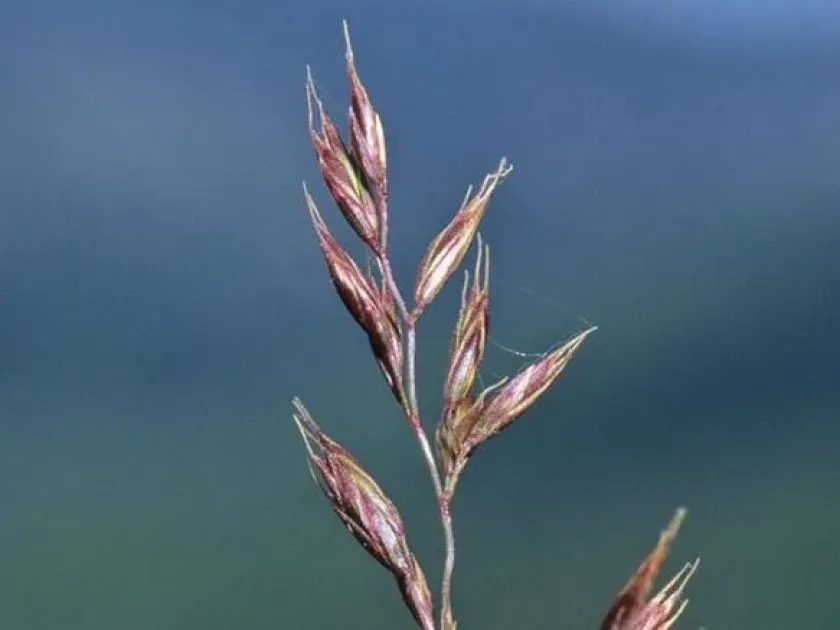
Description
Growing requirements
Alfred's fescue (Festuca alfrediana) is a robust perennial grass species belonging to the Poaceae family. Known for its adaptability, this grass is particularly valued in high-altitude and mountain agricultural regions for its ability to thrive in harsh environments.
The plant prefers well-drained soils with moderate moisture levels. It exhibits significant frost tolerance, making it a reliable component in permanent pasture mixtures designed for areas with long, cold winters and short growing seasons.
The root system of Alfred's fescue is extensive and fibrous, which helps in soil stabilization and prevents erosion on steep slopes. The plant responds well to full sunlight but can maintain productivity in semi-shaded conditions typical of mountainous terrain.
Optimal cultivation requires proper soil preparation before seeding. Small seeds should be sown at a shallow depth to ensure successful germination. Soil testing is recommended to adjust nutrient levels, specifically for phosphorus and potassium.
Proper nitrogen management is essential in the early spring to promote vigorous vegetative growth. However, care should be taken to avoid excessive nitrogen application, which may encourage weed growth at the expense of the fescue stands.
Yield
The primary agricultural use of Alfred's fescue is for high-quality forage production, including grazing and hay. The grass is known for its high palatability, which remains relatively stable even as the plant matures towards the flowering phase.
Forage quality is characterized by a good crude protein content, essential for livestock nutrition. Animals readily consume this grass, making it an excellent choice for maintaining healthy herds in pastoral systems.
Yield capacity is high under intensive management, allowing for multiple cuttings per season if adequate moisture and nutrients are provided. The species is known for its quick recovery after grazing or mowing.
Seed production requires favorable climatic conditions during the flowering and ripening stages. Harvesting seeds at the right time is critical to prevent shattering and ensure high germination rates for future planting.
Alfred's fescue provides long-lasting stands, often persisting for many years without the need for reseeding. This longevity makes it a cost-effective choice for farmers looking to establish stable, permanent grassland ecosystems.
Main diseases and pests
Fungal diseases, such as leaf rust and various leaf spot pathogens, are the primary threats to the health of the fescue crop. These issues typically emerge during periods of prolonged humidity and poor air circulation.
Management of these threats involves maintaining an appropriate stand density. Over-seeding or excessive moisture can create a microclimate favorable to fungal growth, emphasizing the need for proper site selection and management.
Pest pressures include cereal aphids and various grass-feeding larvae that can impact early growth stages. Monitoring programs are essential to detect infestations before they reach the economic threshold for intervention.
Integrated pest management strategies should be employed to minimize chemical usage. Utilizing resistant cultivars, when available, is the most effective way to combat common diseases associated with the species.
Effective weed control is also necessary, especially during the establishment phase. Keeping the area free from competitive weeds ensures that the fescue can establish a strong and healthy root system, enhancing its overall resilience.