
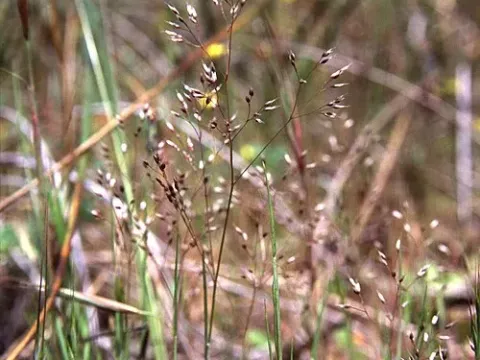
Aira provincialis
Aira provincialis
Aira provincialis belongs to the Poaceae family. As an annual species, its life cycle is characterized by rapid growth in favorable seasonal windows, primarily during the spring or autumn months.
What the section contains
Aira provincialis
Optimal sowing times depend on the specific climatic region, with early autumn being favored in regions with mild winters. Proper seedbed preparation is essential, requiring a fine, weed-free surface for consistent germination.
Seeds should be sown at a shallow depth, barely covering them with soil to ensure adequate light exposure. Using high-quality seed lots with documented germination rates is critical for establishing a uniform crop stand.
When sowing in spring, moisture management is the most important factor. The seeds are sensitive to desiccation, so maintaining soil dampness until the seedling emergence stage is vital for a successful crop cycle.
Field spacing should be managed to prevent overcrowding, which can reduce air circulation around the plants and increase the risk of pathogen development as the plants mature through their vegetative phase.
The plant thrives in well-drained, sandy, or light loam soils with a neutral to slightly acidic pH. It is highly intolerant of waterlogging, which often leads to root collar rot and stunted development.
As a sun-loving species, Aira provincialis requires full exposure to sunlight throughout the day. Shaded environments negatively impact the plant's structural integrity and result in sparse, weak foliage development.
Climate preferences align with Mediterranean-type environments. It possesses moderate drought tolerance but requires supplemental irrigation during extreme heat waves to maintain physiological functions and prevent early senescence.
Fertilizer application should be conservative. Excessive nitrogen promotes vegetative overgrowth at the expense of root strength and reproductive output, potentially causing the plants to lodge in windy conditions.
Soil aeration is a fundamental requirement for optimal growth. Periodic cultivation of inter-row spaces helps manage soil compaction, ensuring that the root system has access to necessary oxygen levels for healthy development.
The primary agricultural interest in Aira provincialis lies in specialized seed production and its application in land restoration or ornamental horticulture. It is not typically grown as a mass-market forage crop.
Harvesting for seed production occurs once the panicles have reached full maturity and turned a characteristic pale color. Timing is essential, as late harvesting can lead to significant seed shattering and yield loss.
Mechanical harvesting techniques must be adjusted for the delicate nature of the panicles. Using specialized headers or manual harvesting methods helps maximize the recovered seed volume and maintains quality.
In conservation agriculture, the species is valued for its ability to provide soil cover in sandy environments. It helps prevent wind erosion while requiring minimal maintenance compared to more demanding grass varieties.
Yield consistency is achieved through strict adherence to harvest timelines and moisture management during the grain-filling phase. Proper post-harvest drying is necessary to preserve seed viability for future seasons.
The most significant threats to Aira provincialis are fungal pathogens, specifically rust diseases and leaf spot, which thrive in humid and stagnant air conditions. Management relies on maintaining good airflow within the crop stand.
Insects like aphids and thrips can cause damage during the early growth stages by feeding on sap. Monitoring the crop periodically allows for early intervention, reducing the need for heavy chemical applications.
Root system health is often compromised by improper drainage, leading to opportunistic pathogens. Ensuring that the soil remains porous and that irrigation is precise helps mitigate these risks significantly.
Integrated pest management strategies are encouraged, focusing on biological controls and cultural practices rather than systemic pesticides, to which the plant may be sensitive at certain growth stages.
Key areas of concern for farmers include:
- Fungal proliferation during unseasonable wet weather.
- Mechanical damage to root systems during field operations.
- Competition from opportunistic weeds during the establishment phase.