
Airopsis
Airopsis
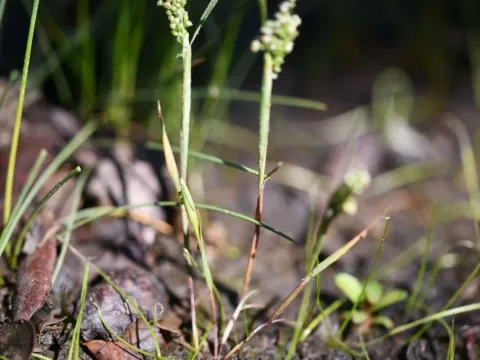
Airopsis is a genus of annual herbaceous plants belonging to the Poaceae family. The genus is represented by the species Airopsis tenella, which is native to the Mediterranean region and parts of Europe, typically thriving in sandy and well-drained environments.
What the section contains

Airopsis
This grass species prefers sunny, open habitats where it can access sufficient light for its development. It is characterized by thin, delicate culms and fine leaves, forming light, airy panicles that are typical for this botanical group.
In terms of soil requirements, Airopsis performs best in light, sandy, or loamy soils with a neutral to slightly acidic pH. It does not tolerate waterlogged conditions, which can lead to rapid root decay and loss of vigor in the crop stand.
Climate adaptation is crucial for the cultivation of this grass. It favors temperate climates with regular, moderate rainfall during the spring and early summer. It is not highly drought-resistant and may require irrigation in arid regions to ensure consistent biomass production.
Agrotechnical management involves maintaining a low density to prevent lodging and ensuring that competing weeds do not overwhelm the crop. Its botanical simplicity and ornamental appeal often lead to its use in landscaping or as a component in biodiversity conservation projects.
Fungal diseases represent the most significant threat to the health of Airopsis stands. Rust and powdery mildew are the most common pathogens, particularly prevalent in environments with high humidity or poor air circulation between the plants.
Pests such as cereal aphids and various types of flies can cause substantial damage to the young vegetative tissues. Monitoring for early signs of infestation is essential for minimizing the loss of yield or decorative quality of the grass.
Root rot pathogens, including Fusarium species, thrive in soils with inadequate drainage. Proper soil management and the avoidance of excessive nitrogen fertilization help reduce the susceptibility of the root system to these opportunistic soil fungi.
Weed competition is a major challenge, especially during the early growth stages of the plant. Airopsis is not a highly competitive species, so mechanical weeding or the use of pre-emergent control measures is often necessary to establish a uniform stand.
Environmental stressors like unexpected late frosts or prolonged extreme heat can weaken the plants, making them more prone to secondary infections. Regular crop scouting is required to maintain the overall integrity and health of the growing field.