
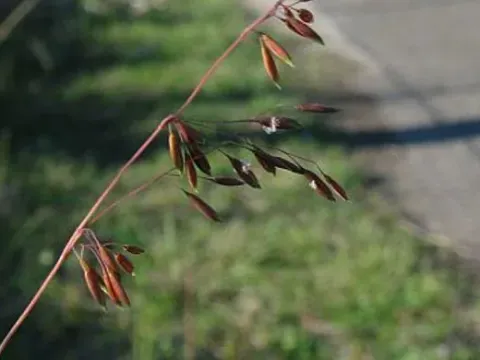
Ehrharta acuminata
Ehrharta acuminata
Ehrharta acuminata, commonly known in its native range as a species of the Poaceae family, is a perennial grass native to South Africa. It is highly valued for its ability to thrive in challenging environments where other grasses might fail to establish.
What the section contains
Ehrharta acuminata
The plant exhibits significant tolerance to nutrient-poor soils, making it an excellent candidate for land restoration projects. It prefers sandy or rocky substrates that provide excellent drainage, ensuring that the root system remains healthy even under varying environmental conditions.
Climatic requirements focus on a balance of adequate sunlight and seasonal moisture. While it is adapted to the Mediterranean-type climates of its origin, it requires consistent moisture during the establishment phase to ensure a deep and resilient root network is formed.
Botanical characteristics include narrow, acuminate leaves and delicate panicle inflorescences. The plant's architecture is optimized for resource efficiency, allowing it to withstand prolonged dry spells by reducing surface area and maximizing photosynthetic efficiency during cooler, wetter periods.
In terms of agricultural application, Ehrharta acuminata is primarily used for soil stabilization and the rehabilitation of degraded pastures. Its root system helps bind loose soil particles, thereby significantly reducing the risk of wind and water erosion in sensitive landscapes.
Fungal pathogens associated with moisture stress are the primary biological threat. High humidity combined with poor soil aeration can lead to crown rot, which may compromise the overall plant stand density if not addressed through proper management.
Common insect pests include grass-feeding aphids and various lepidopteran larvae that target the foliage. Farmers should employ integrated pest management strategies, such as promoting natural predators and maintaining optimal stand health, to minimize the impact of these infestations.