
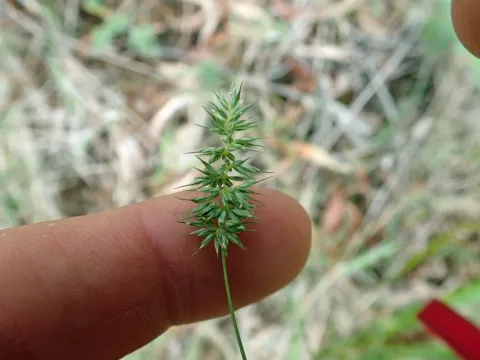
Echinopogon
Echinopogon
Echinopogon is a genus of perennial grasses belonging to the family Poaceae. This botanical group is recognized by its dense, spike-like inflorescences, which distinguish it from other forage species.
What the section contains


Echinopogon
The native distribution of Echinopogon is primarily focused in Australia and neighboring regions, where it has adapted to diverse climatic conditions ranging from coastal areas to inland grasslands.
Successful cultivation of this crop requires well-drained soil types. Echinopogon performs best in moderate climates where moisture levels remain consistent throughout the growing season, promoting steady vegetative growth.
Agronomic management involves selecting sites with adequate light exposure and maintaining soil fertility through balanced fertilization programs, focusing on nitrogen and phosphorus availability.
The primary agricultural use of Echinopogon is as a component of livestock pastures. Its capacity for regrowth after grazing makes it a valuable asset for maintaining sustainable forage production systems.
Echinopogon crops can be susceptible to various fungal pathogens, particularly in humid or waterlogged conditions, which may manifest as rusts or leaf blights affecting overall plant health.
Pest populations, including various types of aphids and leaf-feeding insects, may occasionally cause damage to the foliage, necessitating regular field scouting to monitor pest density.
To mitigate the risk of disease and pest outbreaks, producers often employ diversified management practices, such as rotational grazing and controlled fertilizing to maintain vigorous plant growth.
Environmental stress, such as extreme drought, can also weaken the stand, making it more vulnerable to secondary infections and opportunistic weeds.
Effective management strategies combine proper harvesting or grazing intervals with biological or chemical control methods to ensure the long-term viability of the grassland stands.