
Ectrosia
Ectrosia
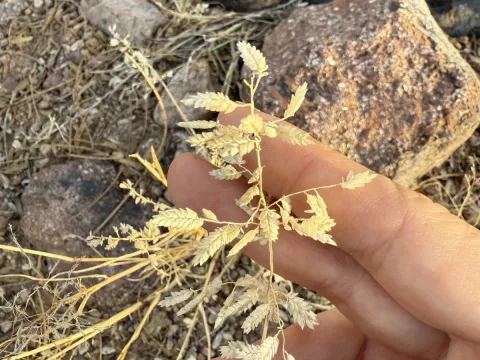
Ectrosia is a genus of perennial grasses belonging to the Poaceae family. These plants are typically known for their distinctive inflorescences and are native primarily to regions of Australia.
What the section contains

Ectrosia
The sowing process requires attention to seed depth, which should be very shallow to ensure proper germination. The soil temperature must remain consistently warm to support initial development.
Sowing should take place at the beginning of the rainy season to provide natural moisture for the emerging seedlings. Excessive moisture during the first week can lead to seed rotting.
Standard seeding rates are determined by the desired stand density, keeping in mind the growth habit of the specific Ectrosia species. Mechanical sowing is preferred for large-scale operations.
Seedbed preparation is vital; it must be cleared of weeds and debris to prevent competition during the slow early growth phase of the grass.
Ectrosia species thrive in tropical and subtropical climates where heat and light are abundant. They are highly adapted to environments with distinct wet and dry seasons.
Soil requirements focus on excellent aeration and drainage. Ectrosia performs best on sandy to loamy soils that do not hold excessive water for long durations.
This grass genus is generally tolerant of low-fertility soils, making it a potential candidate for sustainable revegetation projects in harsh environments.
Sunlight is the primary driver of growth for Ectrosia. It should be grown in open, sunny locations to ensure the structural integrity of the stems and proper seed production.
Regular irrigation is beneficial during the active growing season, but once established, many species exhibit impressive drought-tolerance traits due to their deep root systems.
The primary threats to Ectrosia include fungal infections such as leaf rust and mildew, which thrive in crowded, poorly ventilated planting sites.
Insect pests, particularly grass-feeding caterpillars and aphids, can significantly reduce the biomass of the plants if left unmanaged during the peak growing months.
Root rot caused by pathogenic fungi is a constant risk if the soil remains waterlogged. Proper drainage management is the most effective preventative measure against these threats.
Weed competition is a significant challenge in the establishment phase, as the grass seedlings struggle to compete with aggressive grasses and broad-leaf weeds.
Monitoring the plant health for signs of wilting or discoloration is essential for early intervention and the application of appropriate protective agricultural treatments.